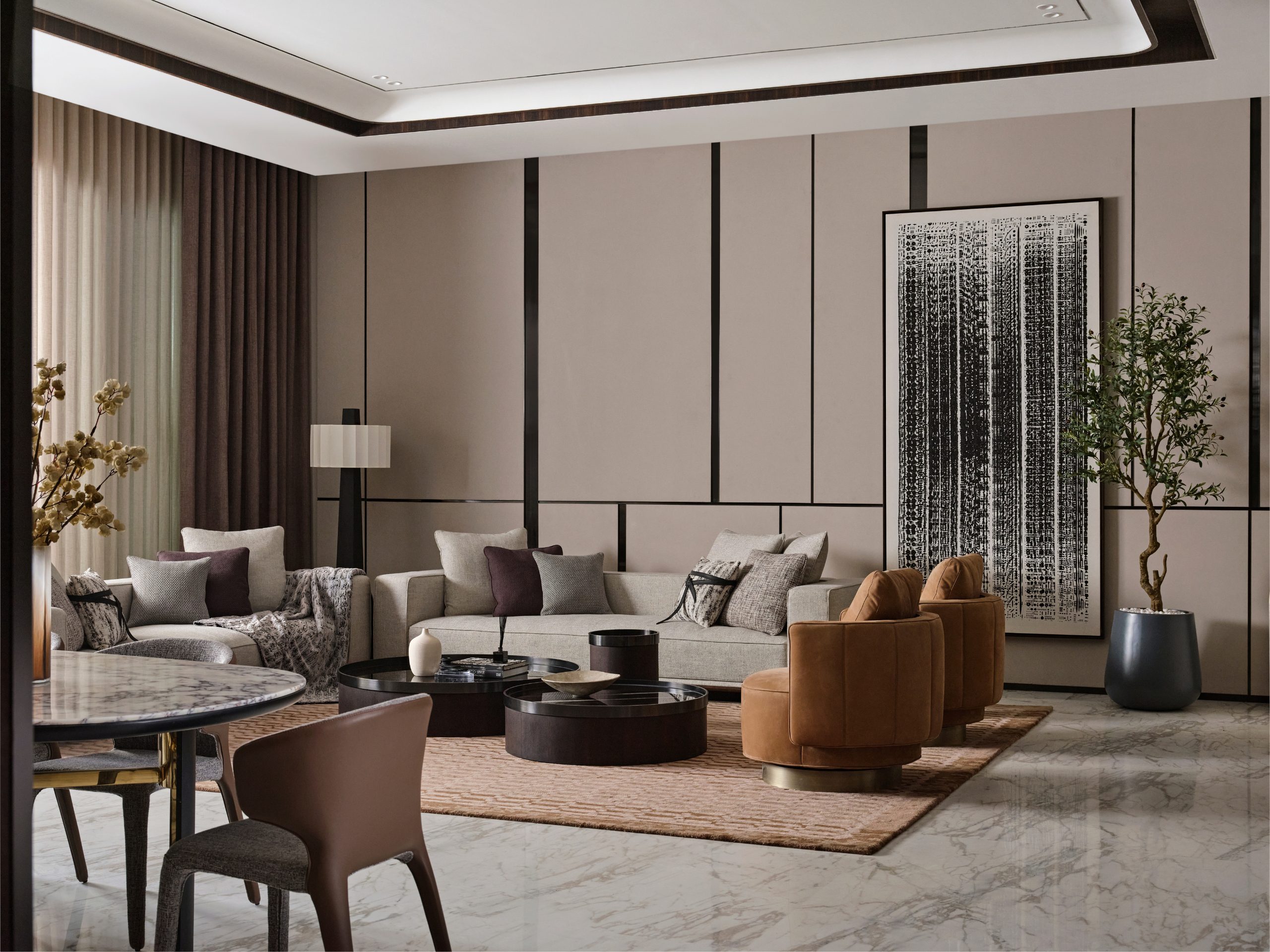
Adaptive Interiors: Creating Spaces That Respond to Changing Needs
We often think about adaptive reuse at the scale of architecture. But the question of how a space evolves does not end with the building.
What happens to the interior matters too.
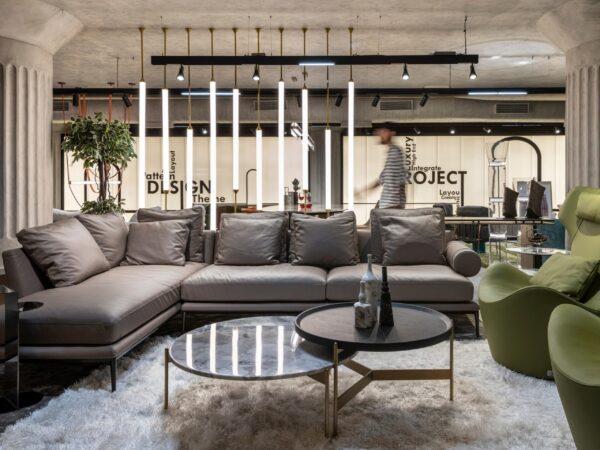
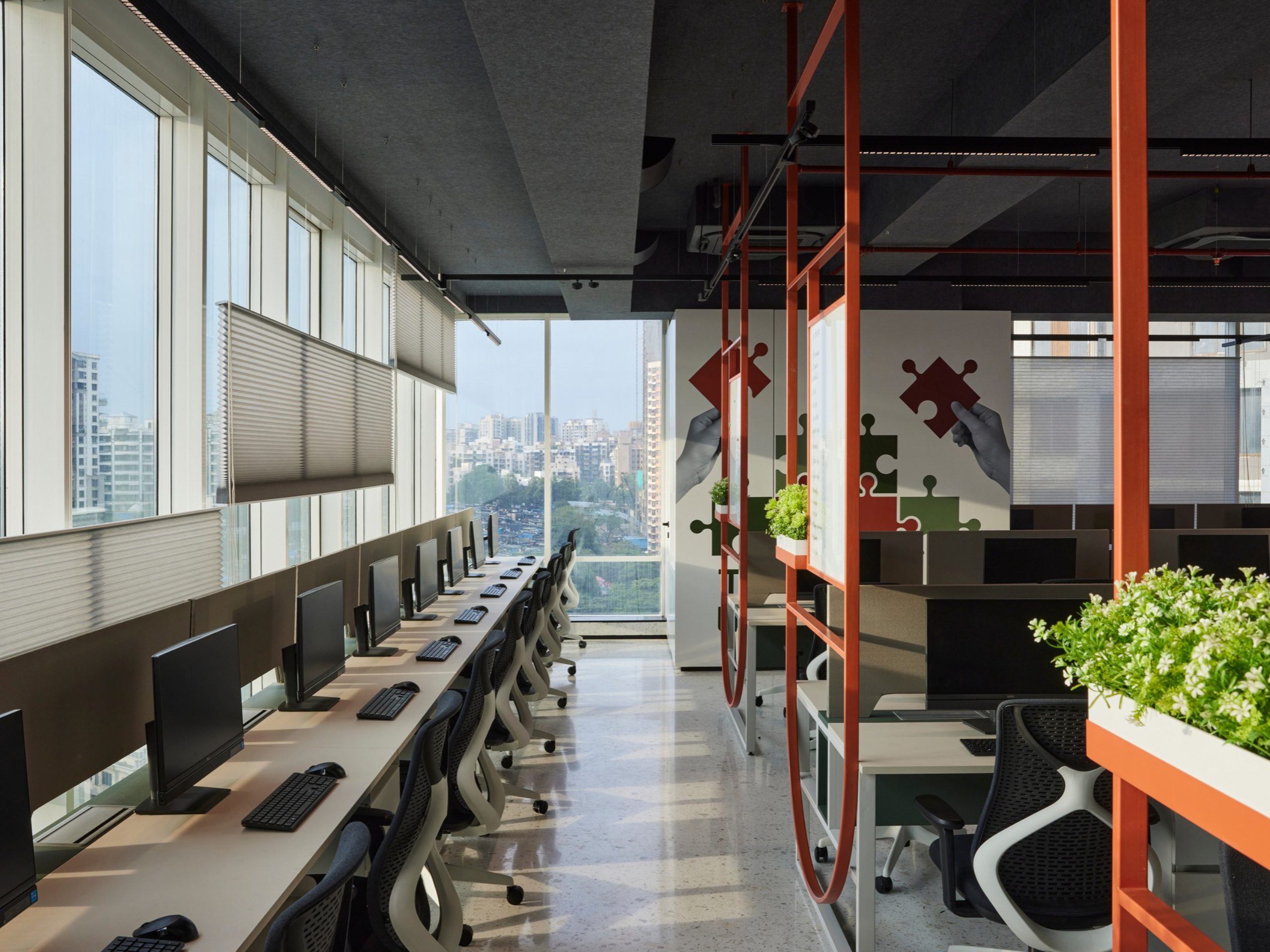
Retail environments change with collections and displays. Workplaces shift with patterns of collaboration and occupation. Hospitality interiors adapt to ever-changing guest and market expectations. And each of these transformations can mean removing layers of interiors, be it material, furniture, lighting and infrastructure, that were designed for an earlier use.
If change is inevitable, could the interior itself be designed differently?
Planning for Flexibility
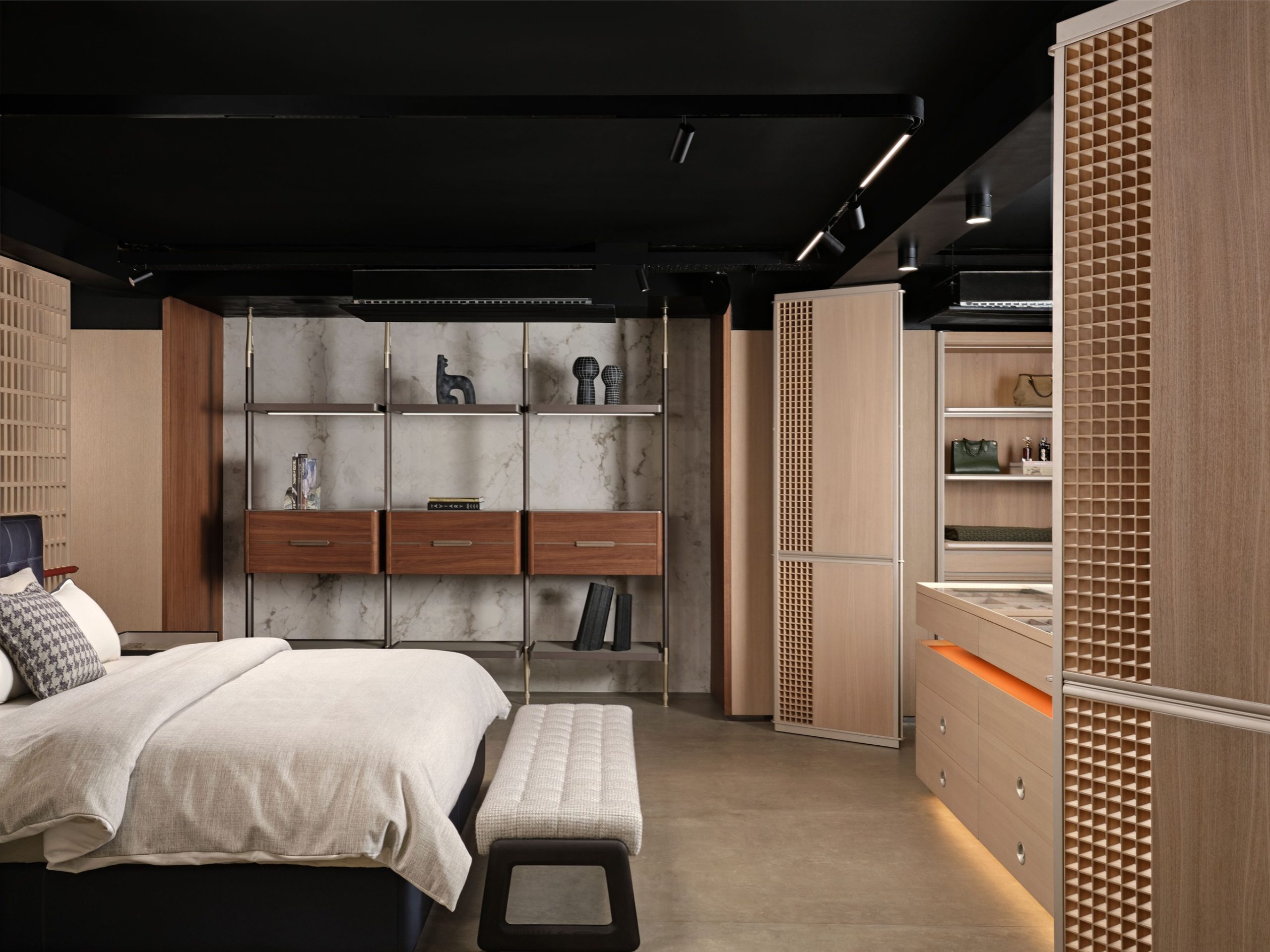
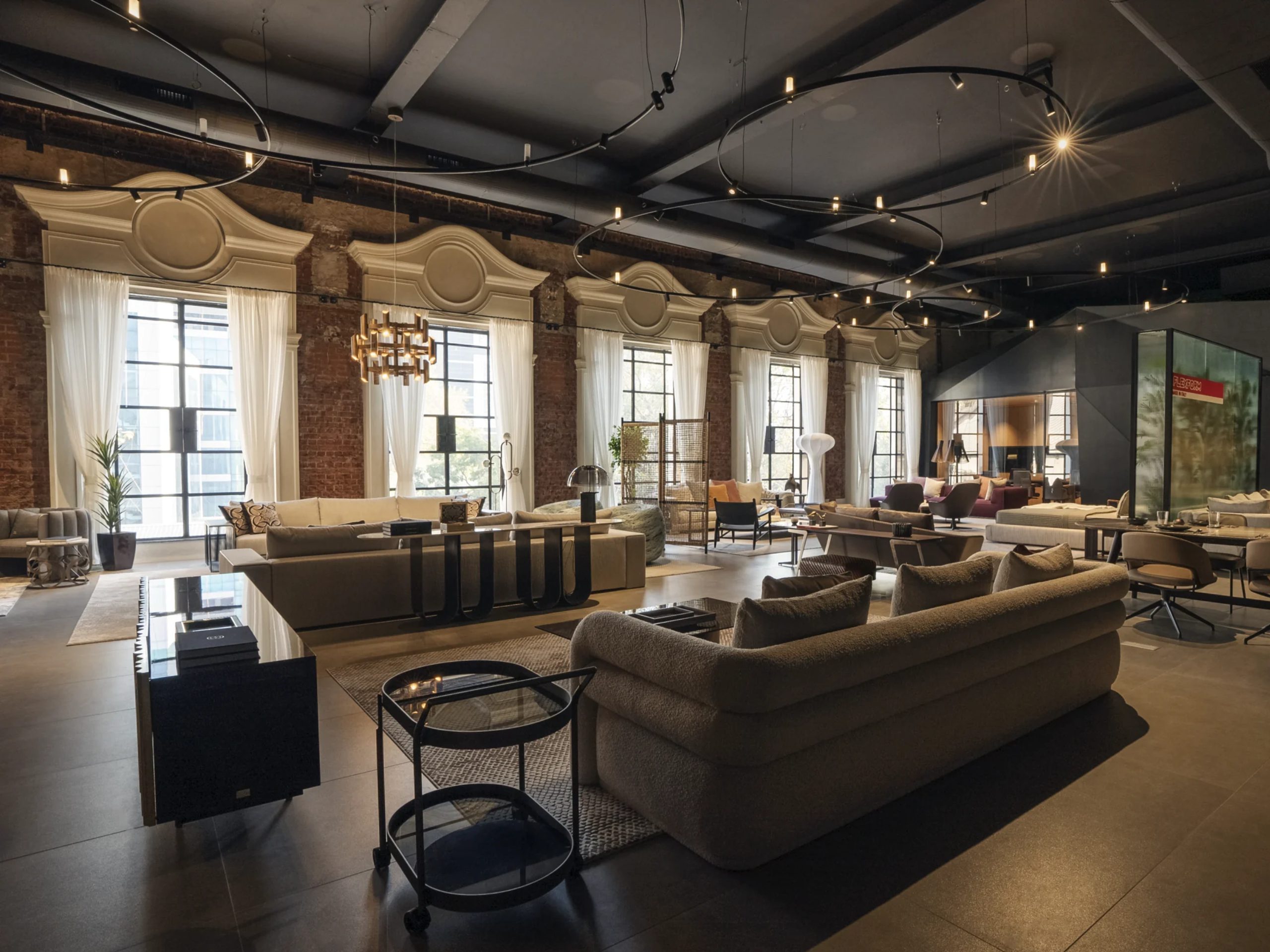
Adaptive reuse in interiors begins with questioning the idea of a fixed layout. Instead of assigning every area a single function, interior space planning can establish relationships that accommodate different patterns of use. Furniture, partitions and circulation can define areas without permanently separating them. A retail interior, for instance, can accommodate changing displays without requiring its entire spatial framework to be redesigned.
Adaptability is also embedded in what is less visible. Lighting design, electrical planning and building services can determine how easily an interior can be modified. Repositionable lighting can accommodate changing displays or work areas. Accessible services can allow new requirements to be integrated without extensive dismantling. These decisions make flexible interior design part of the underlying infrastructure rather than a temporary response to change.
Materiality that Connects diverse Interventions
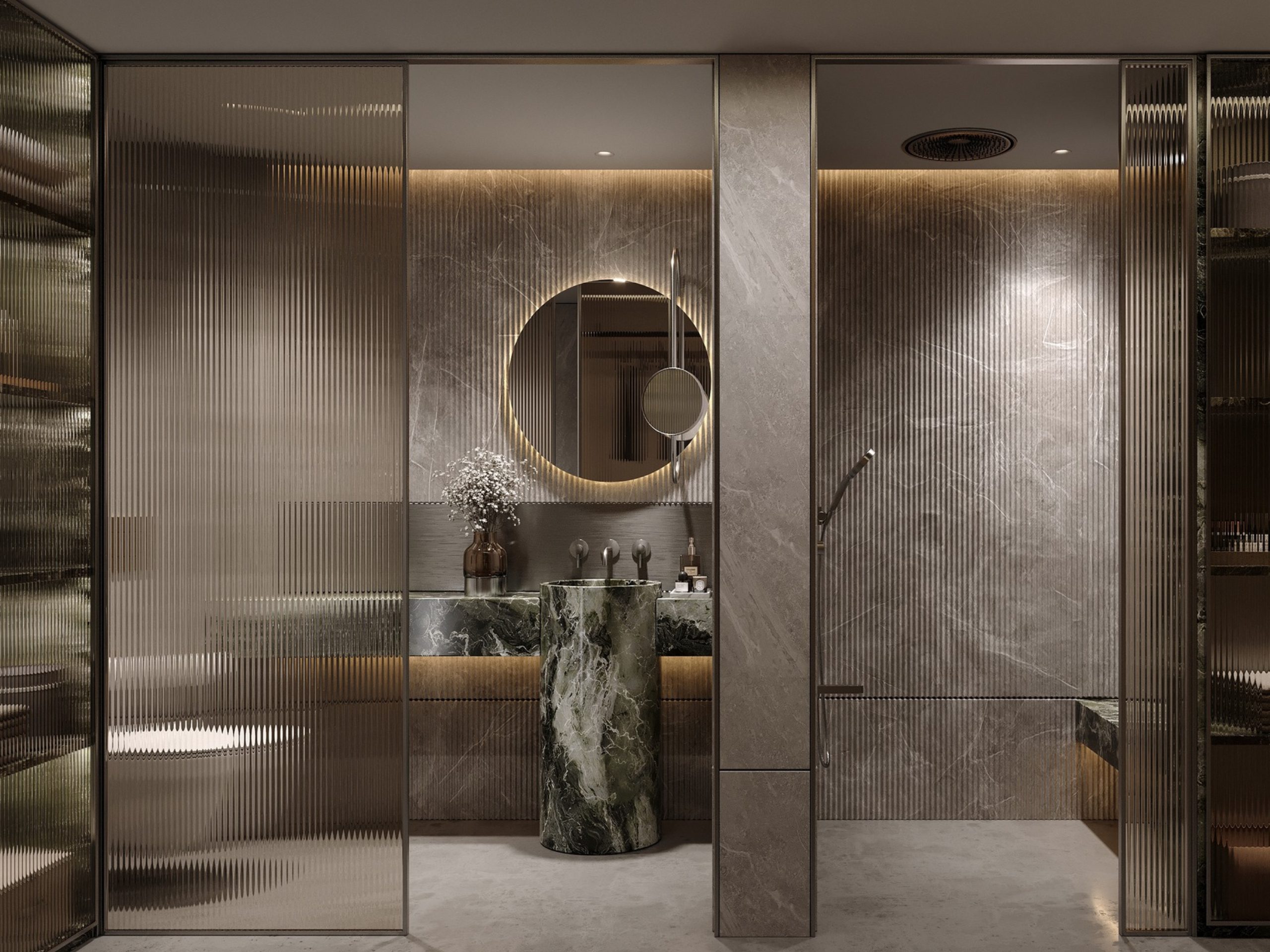
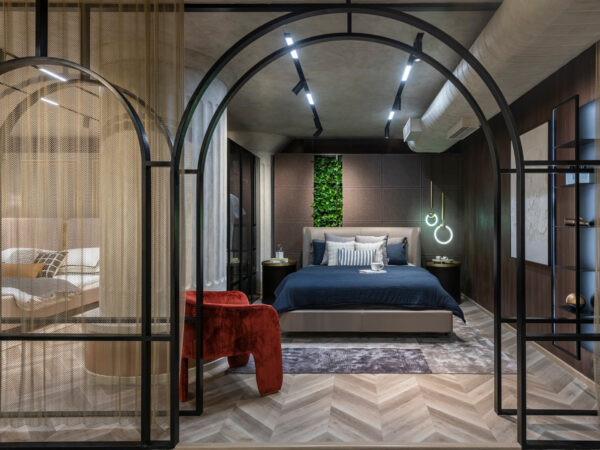
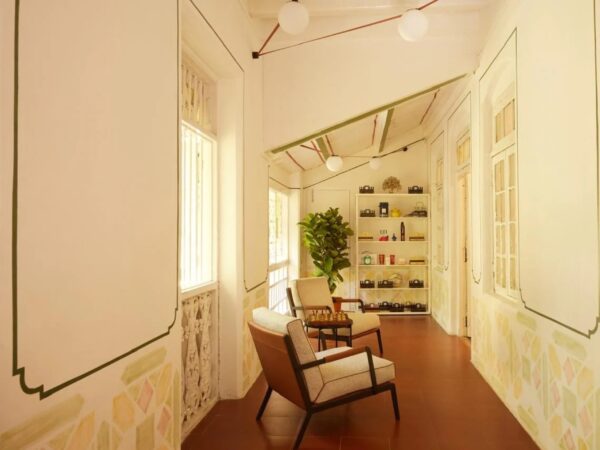
Existing materials can provide a starting point for adaptive reuse in interiors. Flooring tiles, timber, stone, structural elements and other details can be retained where they contribute to the character of the space. New materials, joinery and furniture can then introduce a contemporary layer through differences in texture, tone, scale and detail. Materiality in interior design becomes a way to establish continuity without reproducing what was already there.
.
Designing Interiors That Can Evolve
An interior does not have to anticipate every future requirement. It needs to leave enough room for those requirements to be accommodated.
That shift changes how adaptive reuse in interiors are approached. Instead of designing around a single, fixed outcome, the interior can establish a framework that allows its character, functionality and use to develop over time.
Adaptive reuse is not only about deciding what to retain. It is about deciding what should remain open to change.
.