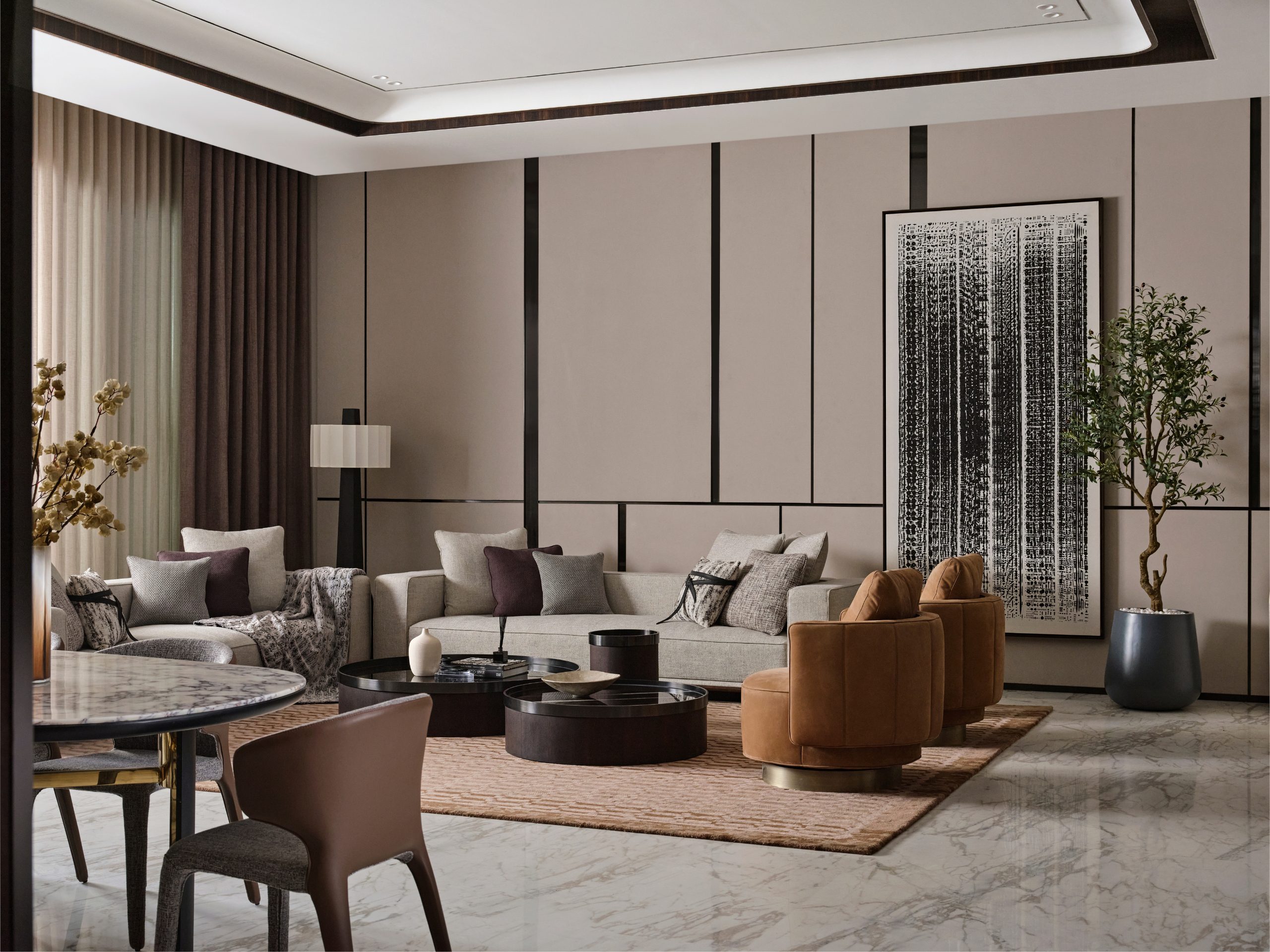
How Bathrooms Are Becoming Private Wellness Spaces
The bathroom has always been the most private room in a home. For a long time, though, that privacy ended there; the space was designed around function, and little else was asked of it.
In India, especially, this perspective among users is rapidly changing. Across high-end residential design, the bathroom is being reconsidered from the ground up. Chromotherapy lighting, rain showers, heated floors, and aromatherapy systems are no longer reserved for the exceptional brief. They are becoming part of how clients think about what a bathroom should be.
What does this imply for the year ahead? Keep reading to discover how interior design is forming comfortable, lasting, and timeless spaces!
From Utility to Experience
For most of the last century, bathroom design prioritised efficiency over experience. Fixtures were chosen for function, surfaces for ease of cleaning, and layouts built around how much could fit within a compact footprint. The shift came gradually. As wellness entered the broader cultural conversation through a renewed attention to how everyday environments affect mood, health, and the quality of daily life, the bathroom emerged as the room with the most unrealised potential. The question designers are now asking is: what should that space actively do for the person in it?
Embracing the Mystique of Mocha Mousse
Water as Ritual
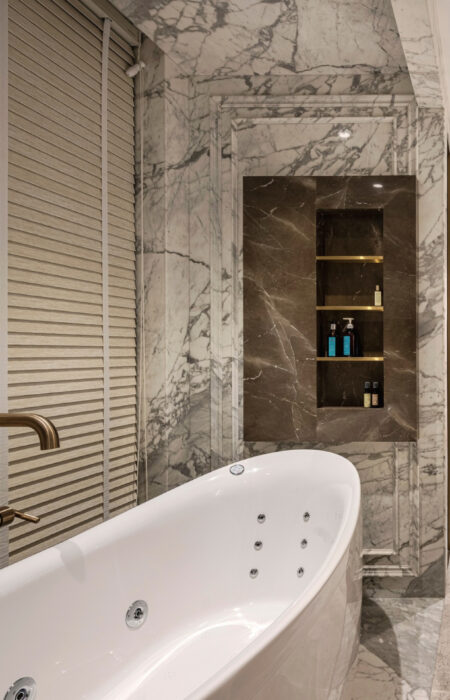
Central to this transformation is water, no longer treated as something to simply use, but something to engage with. Rain shower systems, adjustable pressure settings, body jets designed to target specific points of tension, and steam enclosures that create spa-like conditions in domestic settings have steadily moved from hospitality into residences.
Hydrotherapy, once associated with treatment and recovery, is increasingly being designed into the daily routine. For designers, this means approaching the shower and the bath as experiences rather than installations. How water reaches the body, as mist, rainfall, or a targeted stream, becomes a design decision with genuine physiological consequences.
Water as Ritual
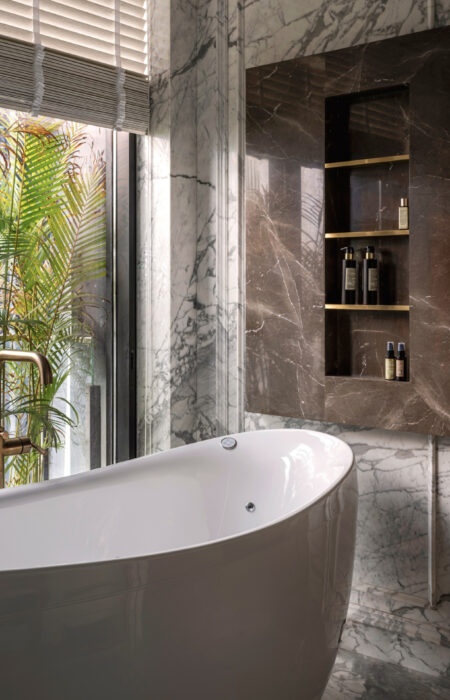
Central to this transformation is water, no longer treated as something to simply use, but something to engage with. Rain shower systems, adjustable pressure settings, body jets designed to target specific points of tension, and steam enclosures that create spa-like conditions in domestic settings have steadily moved from hospitality into residences.
Hydrotherapy, once associated with treatment and recovery, is increasingly being designed into the daily routine. For designers, this means approaching the shower and the bath as experiences rather than installations. How water reaches the body, as mist, rainfall, or a targeted stream, becomes a design decision with genuine physiological consequences.
Colour as Atmosphere
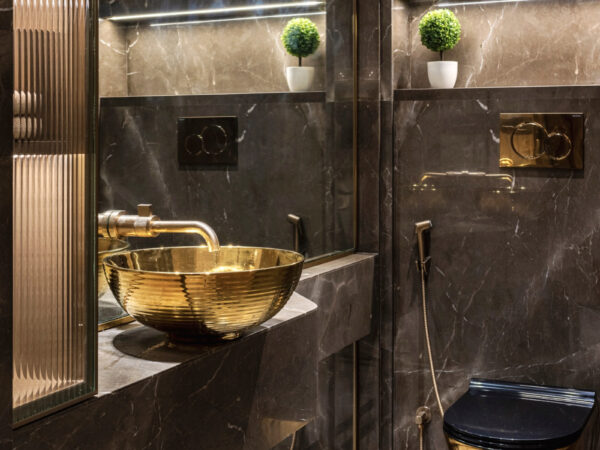
Chromotherapy, the use of coloured light to influence mood, has become one of the more significant tools in wellness bathroom design. Warm amber tones support the body’s wind-down process in the evening. Cooler, brighter light settings help orient attention in the morning.
Palette extends this further. The move away from clinical whites and stark surfaces toward warmer, more textured finishes, such as lime plaster, deep terracotta, aged stone, and soft wood, reflects a clear understanding that colour and material directly influence how a space feels.
In our own projects, we have increasingly encountered clients gravitating toward soft lighting and integrated technology, such as automated settings, smart mirrors, and ambient sound, not as additions, but as design tools that shape the overall experience. In a residence we designed in Mumbai, this thinking shaped the bathroom into two distinct zones, a more functional layout for everyday use and a more indulgent bathing area, allowing the mood of the space to shift depending on how it is being used.
Nature Belongs in the Bathroom
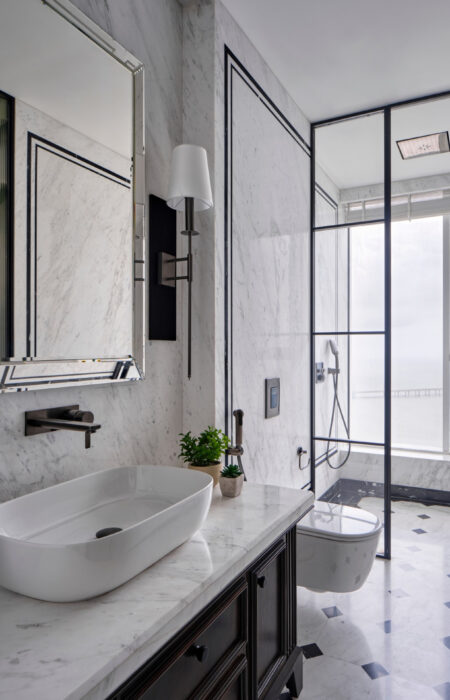
Biophilic design has found one of its most compelling applications in the bathroom. Plants that thrive in humidity, materials that retain their natural character, and the considered use of stone, wood, and clay all contribute to the psychological benefits of proximity to natural elements. Within the bathroom, they translate into a space where sensory experience extends beyond sight to include touch, texture, and air quality. Aromatherapy systems, integrated into steam or diffused through ventilation, extend this further still.
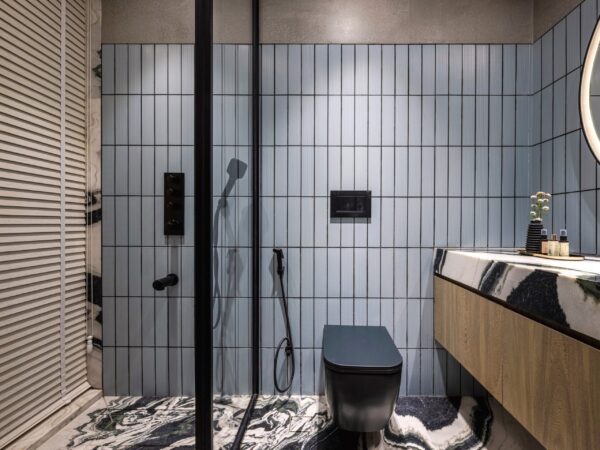
The wellness bathroom is ultimately an argument about what daily life can feel like. It is an investment in the quality of private time, recognising that restoration is not a luxury but a condition for living and working well.
As bathroom design continues to evolve, the most enduring spaces will be those that merge technology with material warmth, innovation with sensory ease, where automation supports rather than complicates, and where everything that has been designed feels effortless in use.