Retail Interiors: Designing More Than a Display
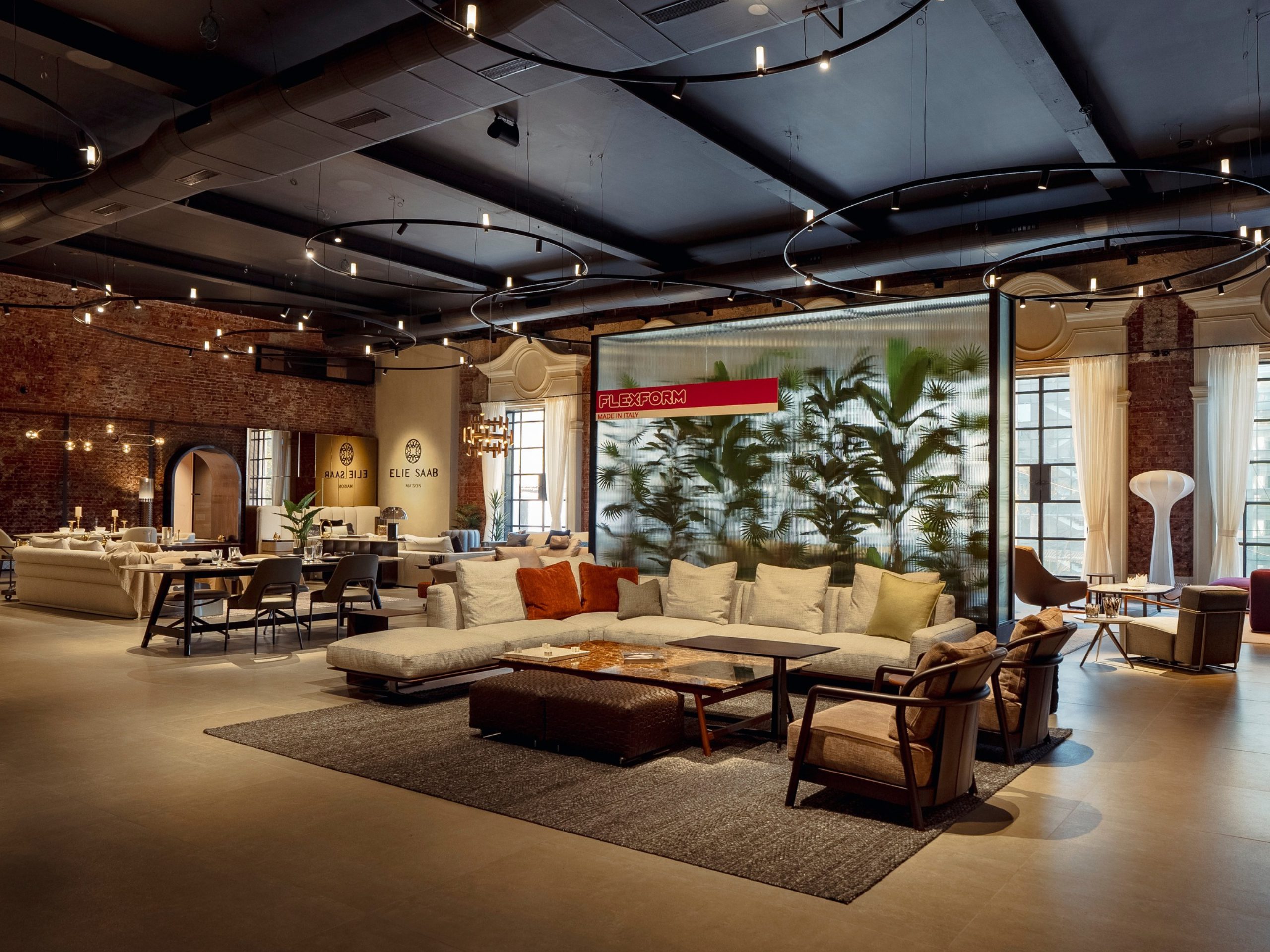
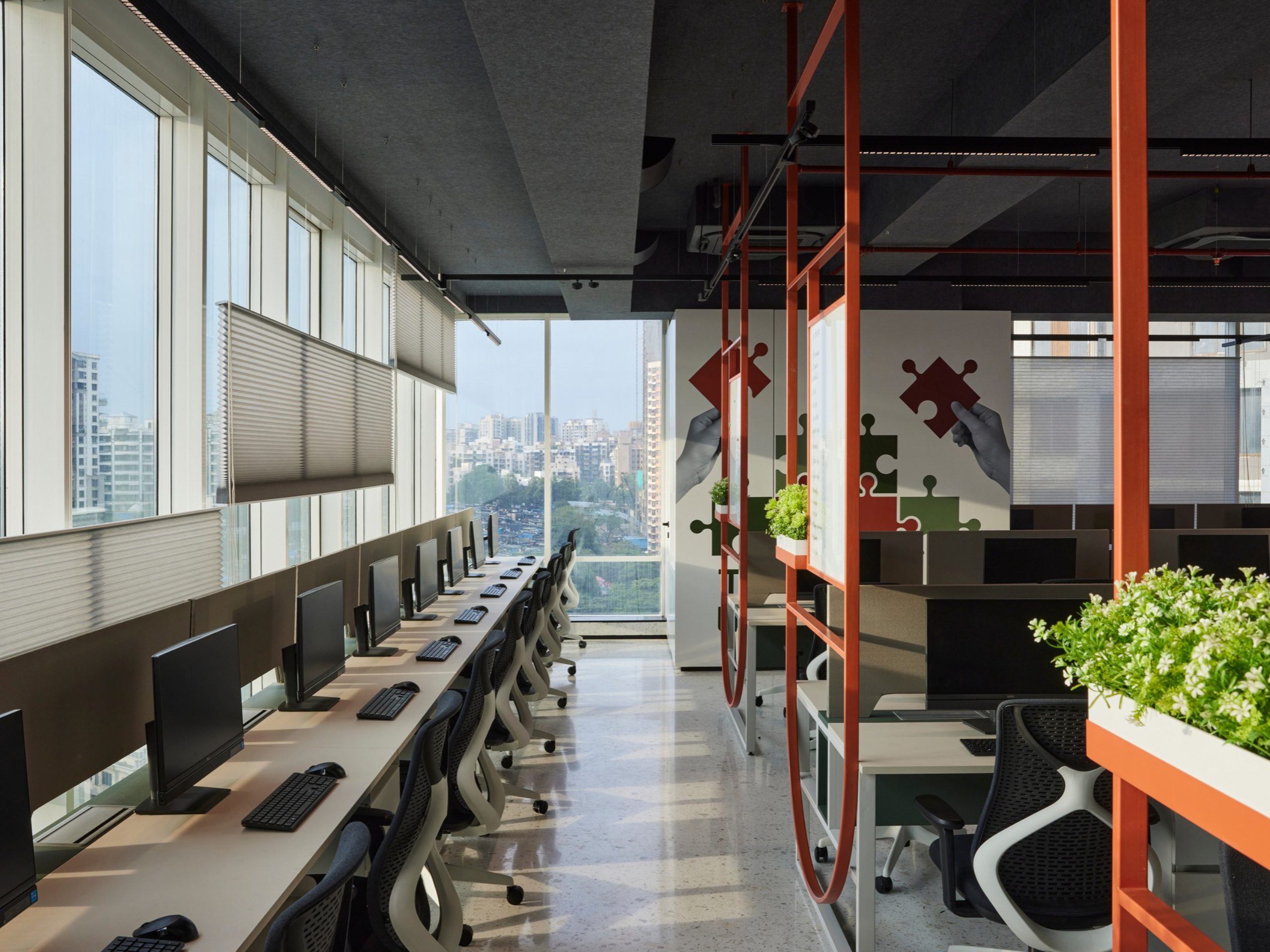
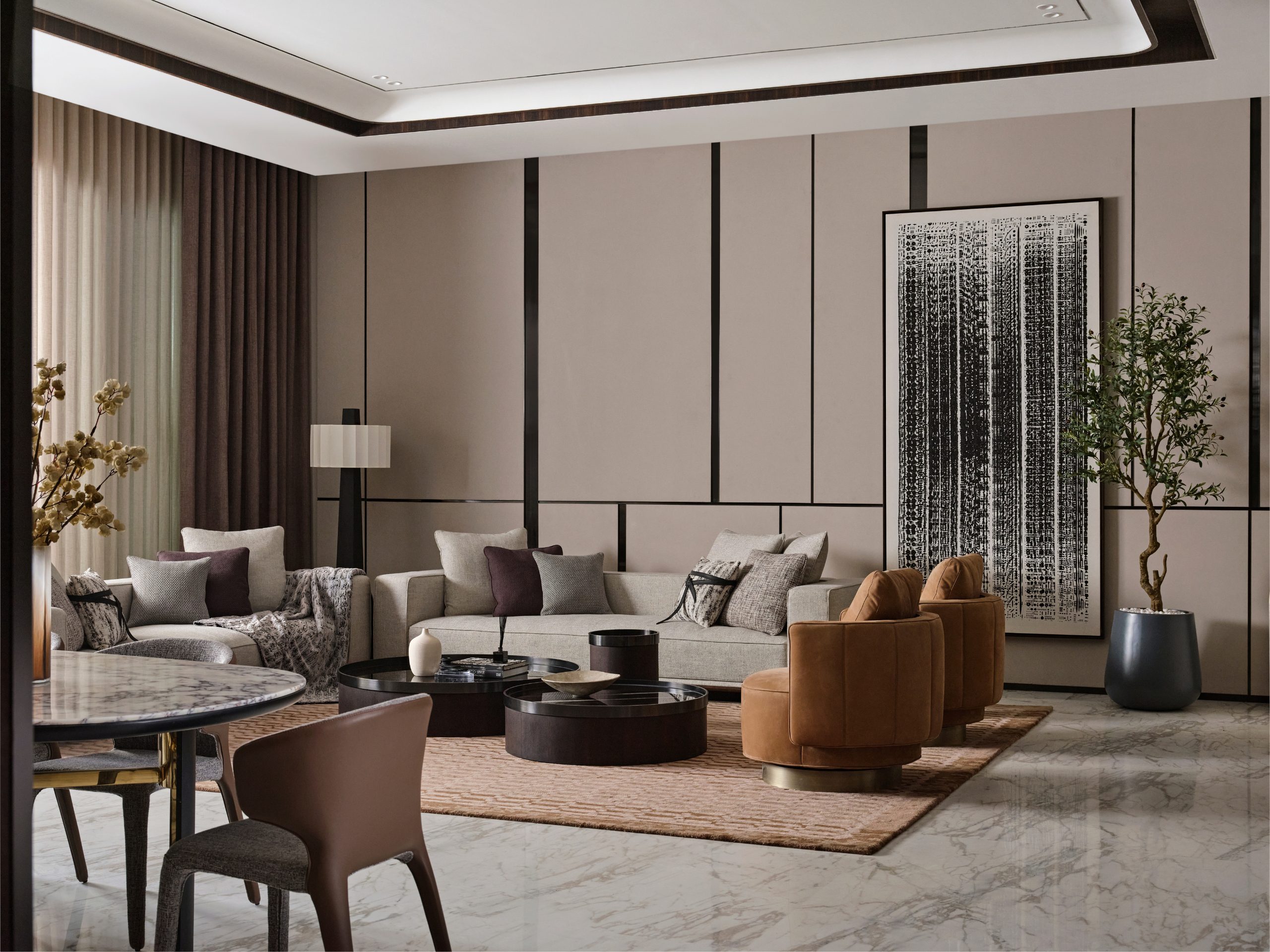
Retail design has traditionally been organised around a simple hierarchy: the product is the focus, and everything around it is designed to direct attention towards it. But as design-led retail becomes more immersive, that relationship is changing. Retail interior design is no longer simply a container for merchandise; it is becoming part of how the product is understood
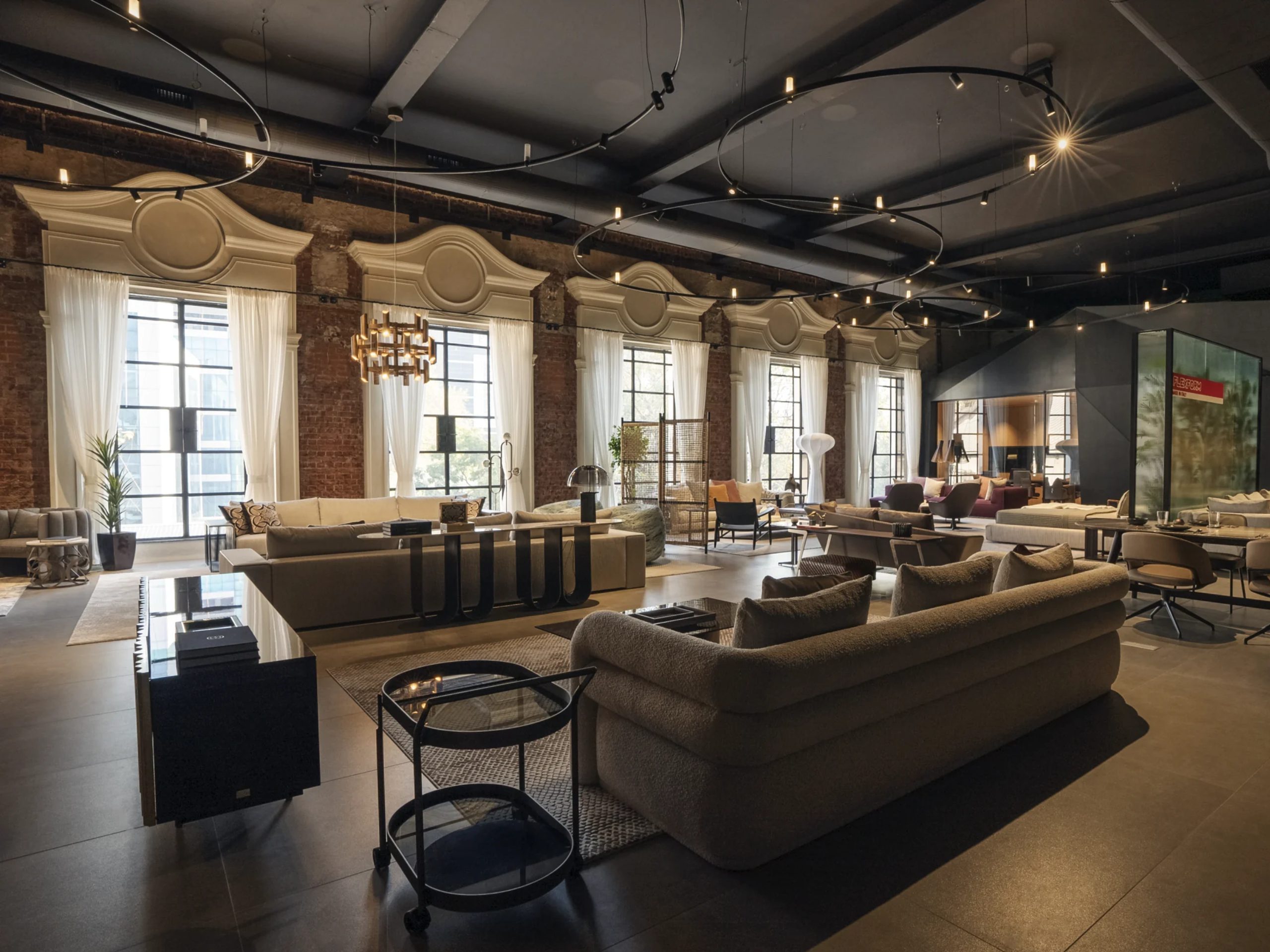
This is particularly relevant in furniture and lifestyle retail, where products are closely connected to the spaces they eventually inhabit. A chair is understood differently when placed in a room rather than against a wall. A dining table acquires a different scale when it is surrounded by light, material, and objects. The setting begins to shape how the object is perceived.
The question, then, is not how much the interior should show, but how much it should allow the product to be understood.
Materiality Shapes Perception
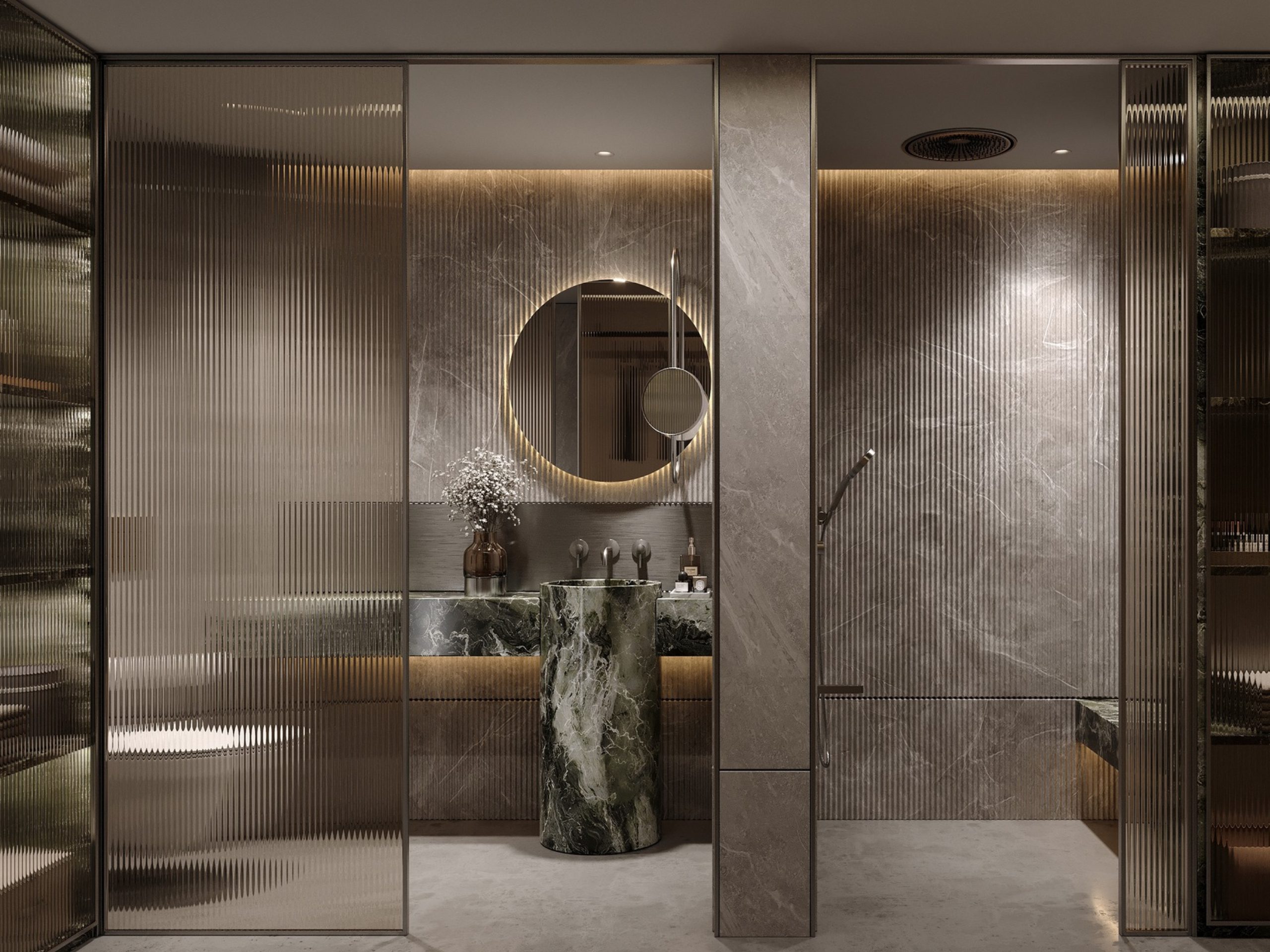
Materiality plays an important role in how a retail environment is experienced. Rather than relying on a fixed palette of materials, the choice can be guided by what each surface contributes to the space — its texture, warmth, weight, reflectivity, or tactility.
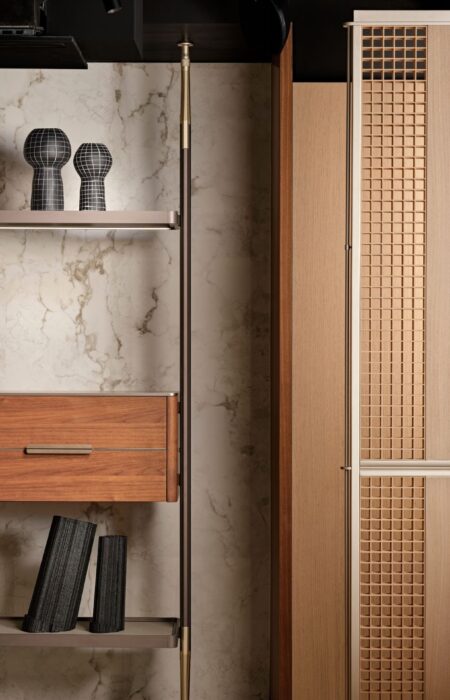
Rough, natural finishes can create warmth, while smoother or more reflective surfaces can introduce precision and clarity. Together, these qualities help establish a visual and tactile language that supports the products without competing with them.
Lighting Creates Hierarchy
Lighting can then shape how that environment is read. Instead of treating illumination as a functional requirement, retail lighting can guide attention, define zones, and shape a space’s atmosphere. Focused lighting can draw attention to particular products, while softer, ambient light can create depth and allow secondary areas to recede. The result is a retail environment where light becomes part of the experience, influencing not just what is seen, but how it is perceived.
Designing for What Comes Next
Retail spaces are constantly changing. Products move, collections are replaced, brands evolve, and displays are rearranged. A showroom interior design therefore needs a framework that accommodates change while retaining the brand’s identity, creating an environment where products can be seen, understood, and imagined in the context of everyday life.