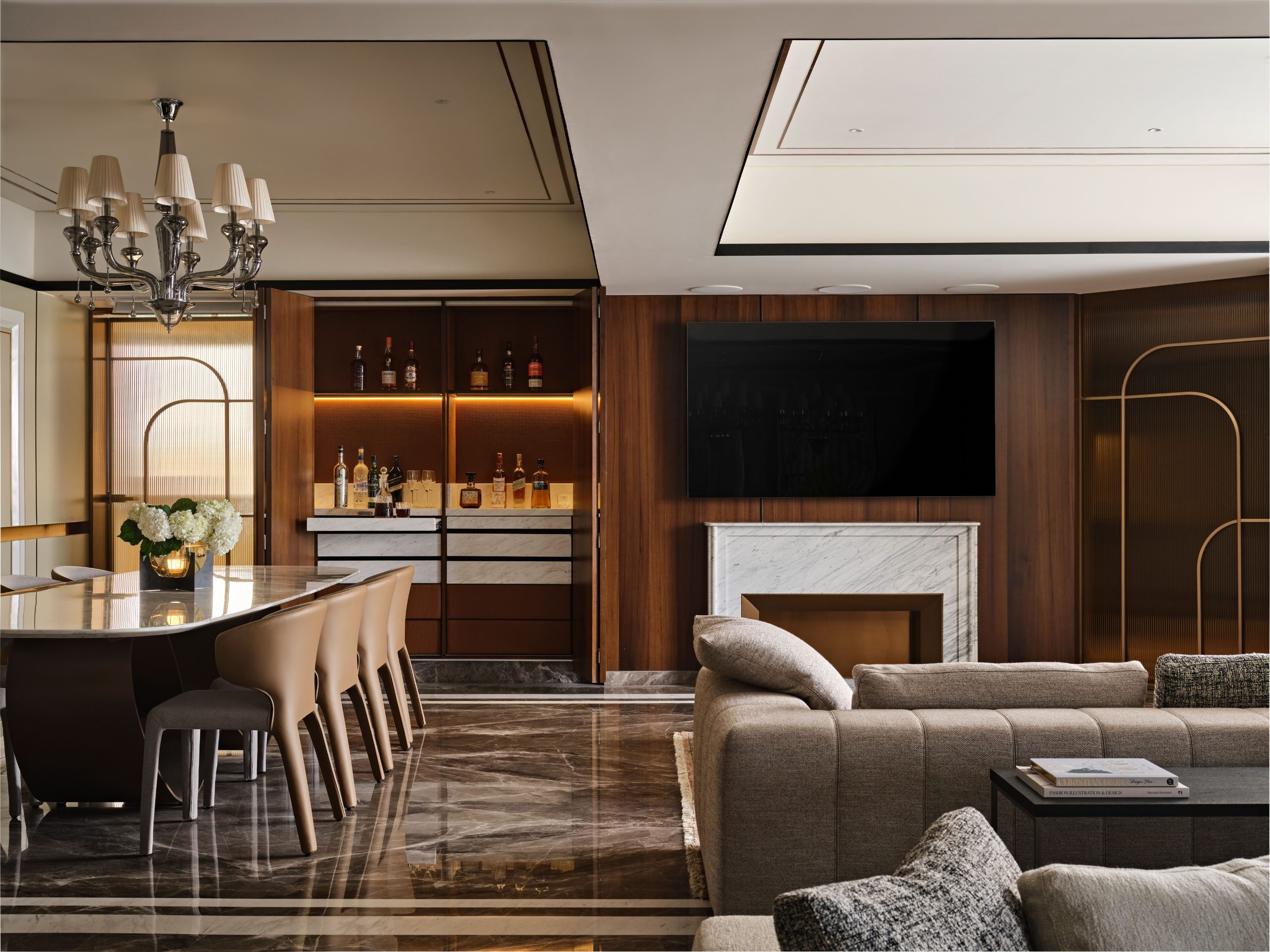
Can Prefabrication Redefine Luxury Design?
The idea of luxury, especially in interior design, has traditionally been associated with rarity and craftsmanship. Materials sourced from across the world, intricate detailing executed by hand, and spaces shaped through months of on-site coordination have long defined high-end living.
But as cities in India continue to grow denser and more complex, construction timelines are tighter, sites are more constrained, and expectations around quality and personalisation continue to rise. The way we design and build needs to shift.
In such a changing landscape, prefabrication is gradually entering conversations around luxury design, not as a compromise, but as a different way of thinking about precision, execution, and experience.
Beyond Efficiency, Speed, and Standardisation
For a long time, prefabrication has been viewed primarily through the lens of efficiency. It is associated with standardisation, speed, and large-scale production rather than individuality or craft. Today, however, advancements in fabrication technologies and manufacturing processes are allowing designers far greater control over customisation, detailing, and finish quality than before.
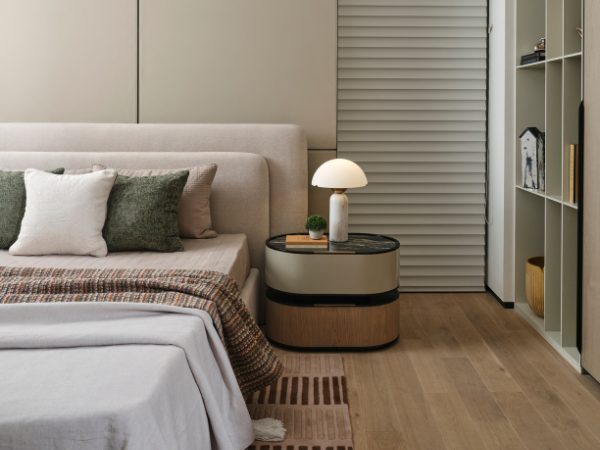
The reality of luxury projects is not limited to creating exceptional spaces, but also about managing complexity with care. Elements fabricated off-site can often achieve a level of precision that is difficult to consistently maintain within the unpredictability of active construction sites. Whether through custom metalwork, modular ceiling systems, detailed joinery, or engineered finishes, prefabrication allows greater consistency in alignment, material behaviour, and execution quality. What arrives on site is not generic—it can, in fact, be deeply tailored.
A New Expression of Craftsmanship
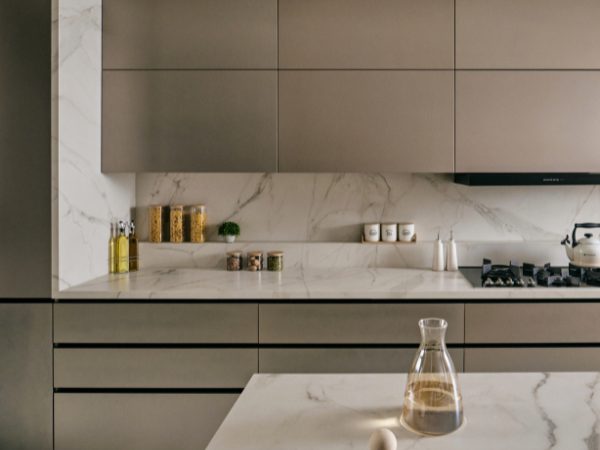
Within prefabrication, the role of craftsmanship does not disappear; it simply evolves. The most successful luxury spaces today are rarely defined by ornament alone, but by how effortlessly they function, how calm they feel, and how intuitively every detail comes together.
Designing with Greater Responsibility
Prefabrication also introduces an important environmental consideration. Off-site fabrication can significantly reduce material wastage, minimise repeated site work, and create more streamlined construction processes overall. In cities like Mumbai or Delhi, where construction fatigue has become a constant part of urban life, this reduction in chaos and inefficiency carries real value for residents and surrounding communities alike.
What makes this conversation particularly interesting is that it challenges older assumptions around exclusivity. Bespoke design no longer needs to rely on slow, wasteful, or heavily disruptive processes. Technology and fabrication systems can coexist with material richness, individuality, and human craftsmanship when approached with sensitivity.