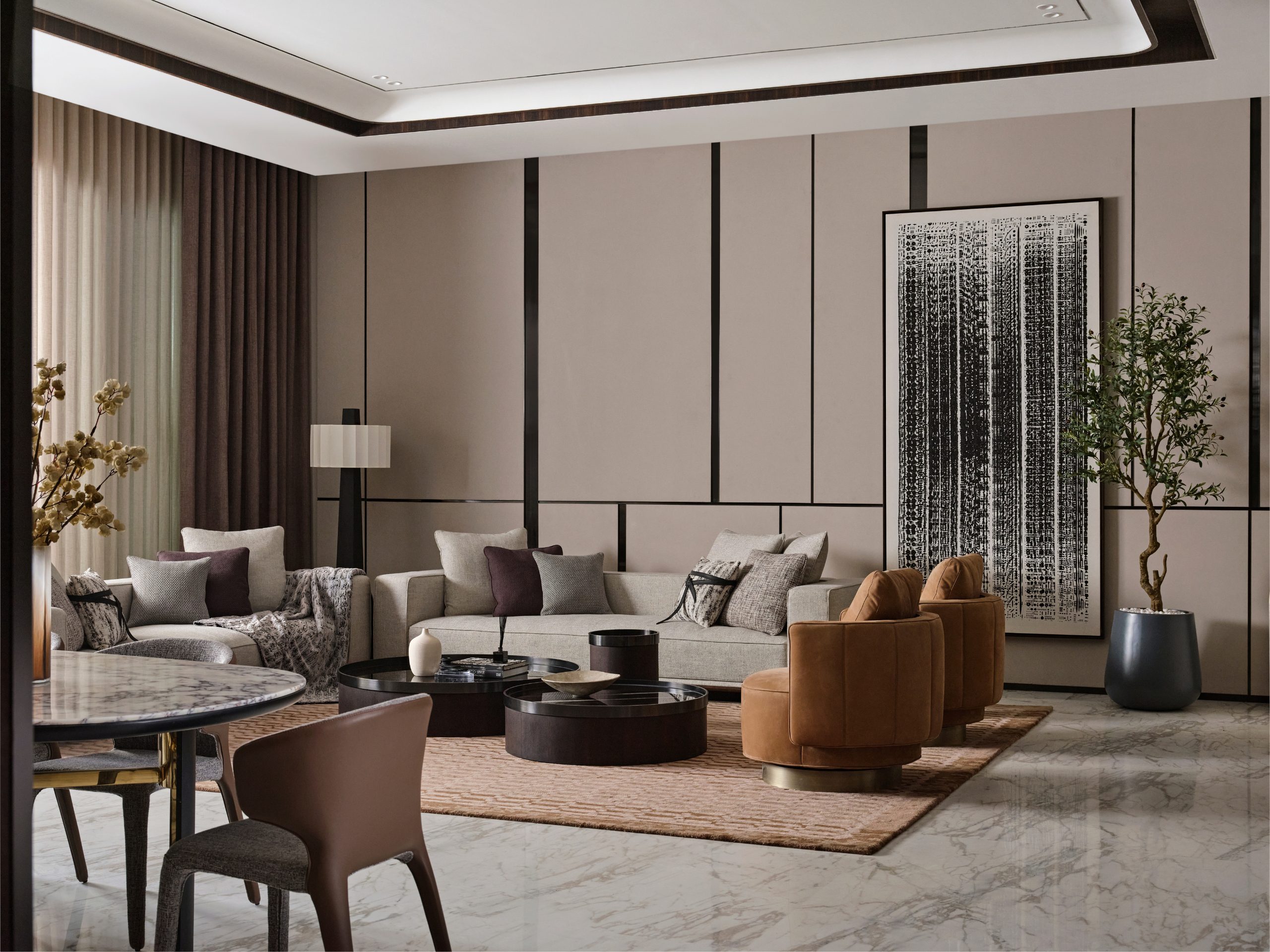
Sensory Design in Luxury Interiors: Materials That Shape the Experience
Luxury interiors are often understood first through the eye: a striking stone, a sculptural surface, or a beautiful piece of furniture. Yet a space’s true character is understood through how it feels, not simply how it appears.
Materials shape how a space sounds, feels underfoot, how light moves across a surface, or how we sense warmth and coolness by touch. These subtle reactions create an emotional impact in a space. This is why sensory design is important in modern luxury interiors — it creates spaces not just seen but truly felt.
Materiality That Creates a Feeling
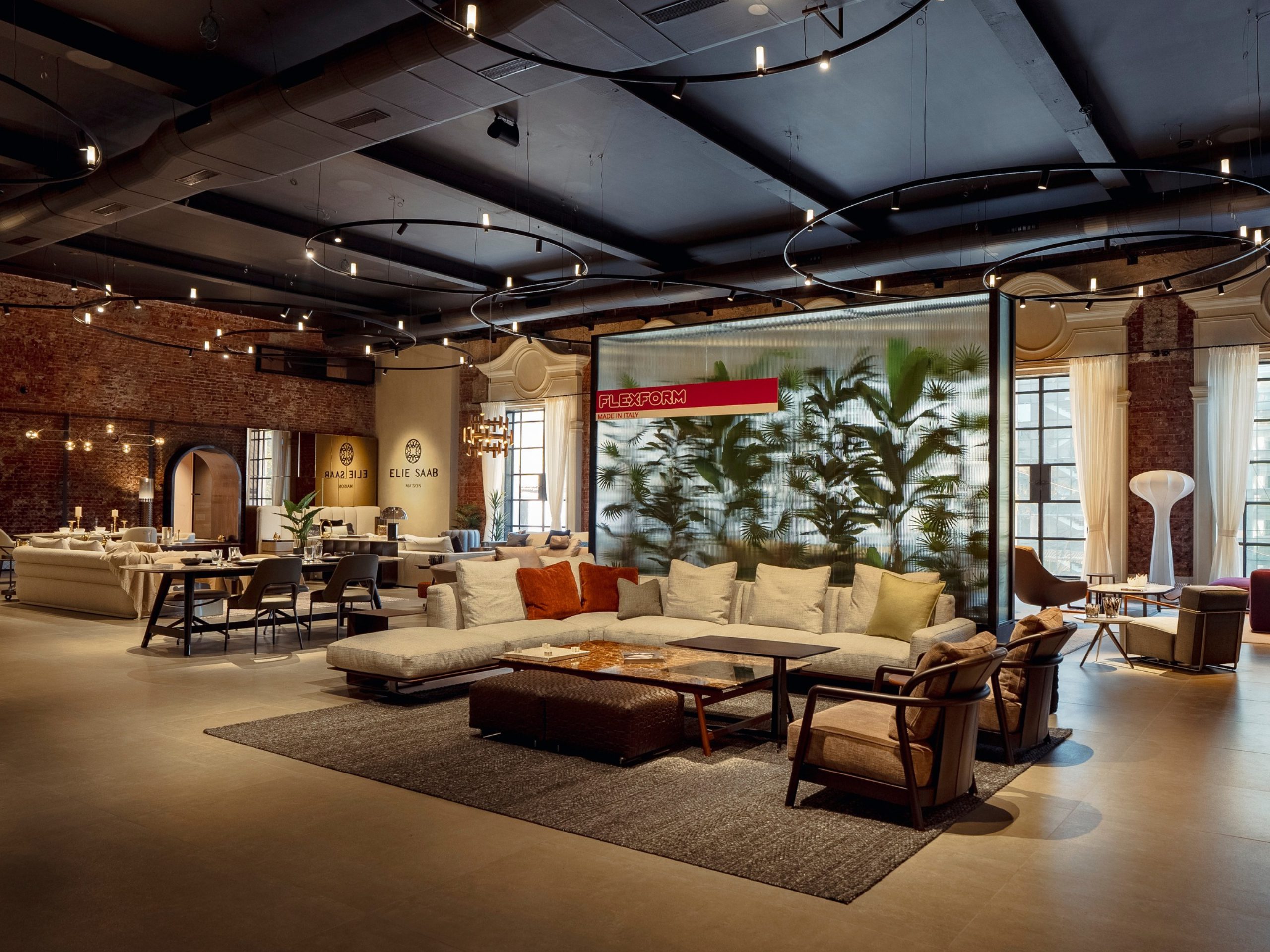
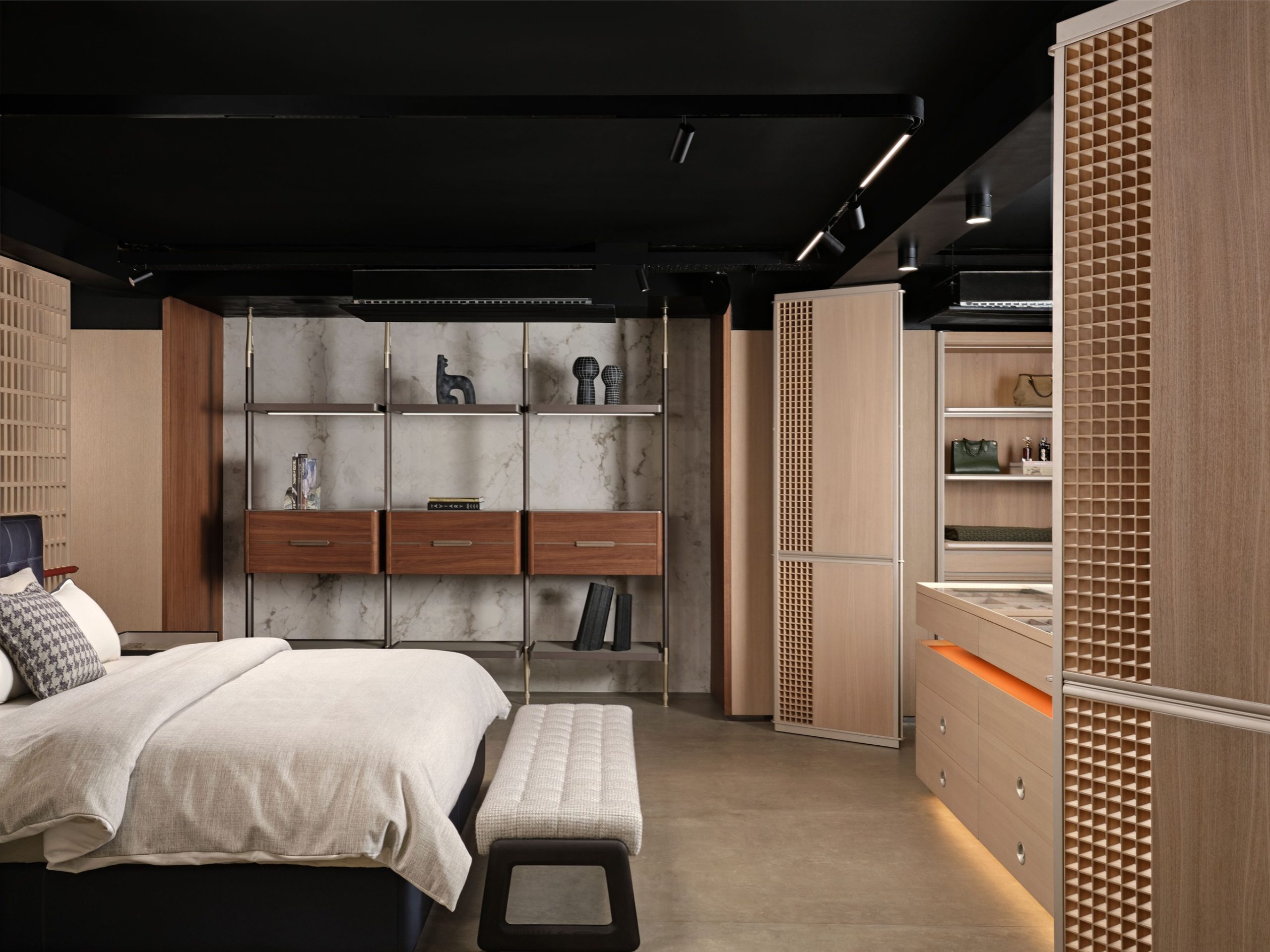
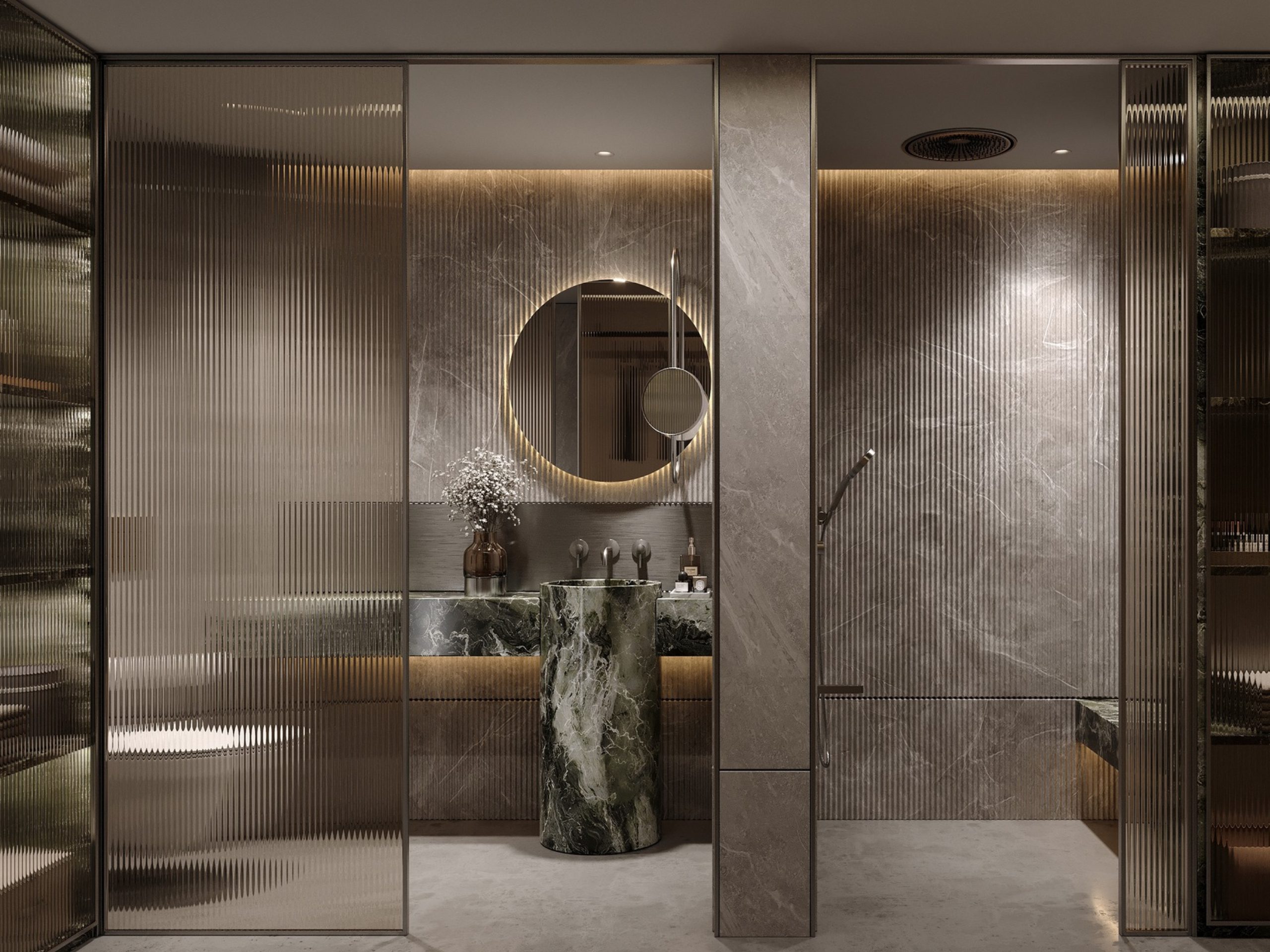
Material choices become meaningful when considered for the experience they create. Warm wood brings tactility underfoot and to the touch. Some tones bring softness and gentle variation, others introduce a sense of permanence, while translucence filters light and offers privacy without closing a space in.
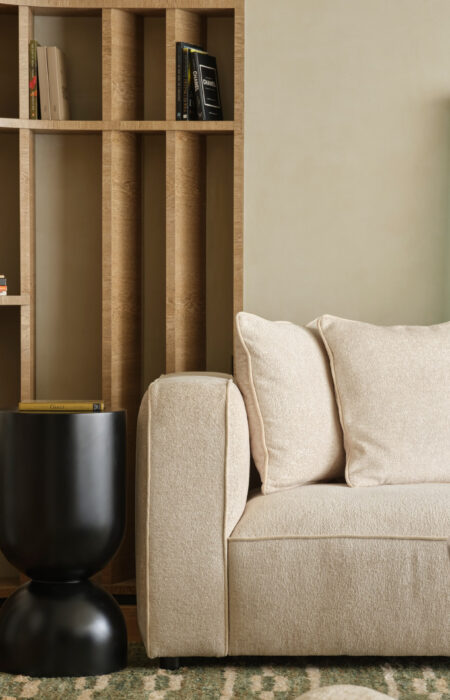
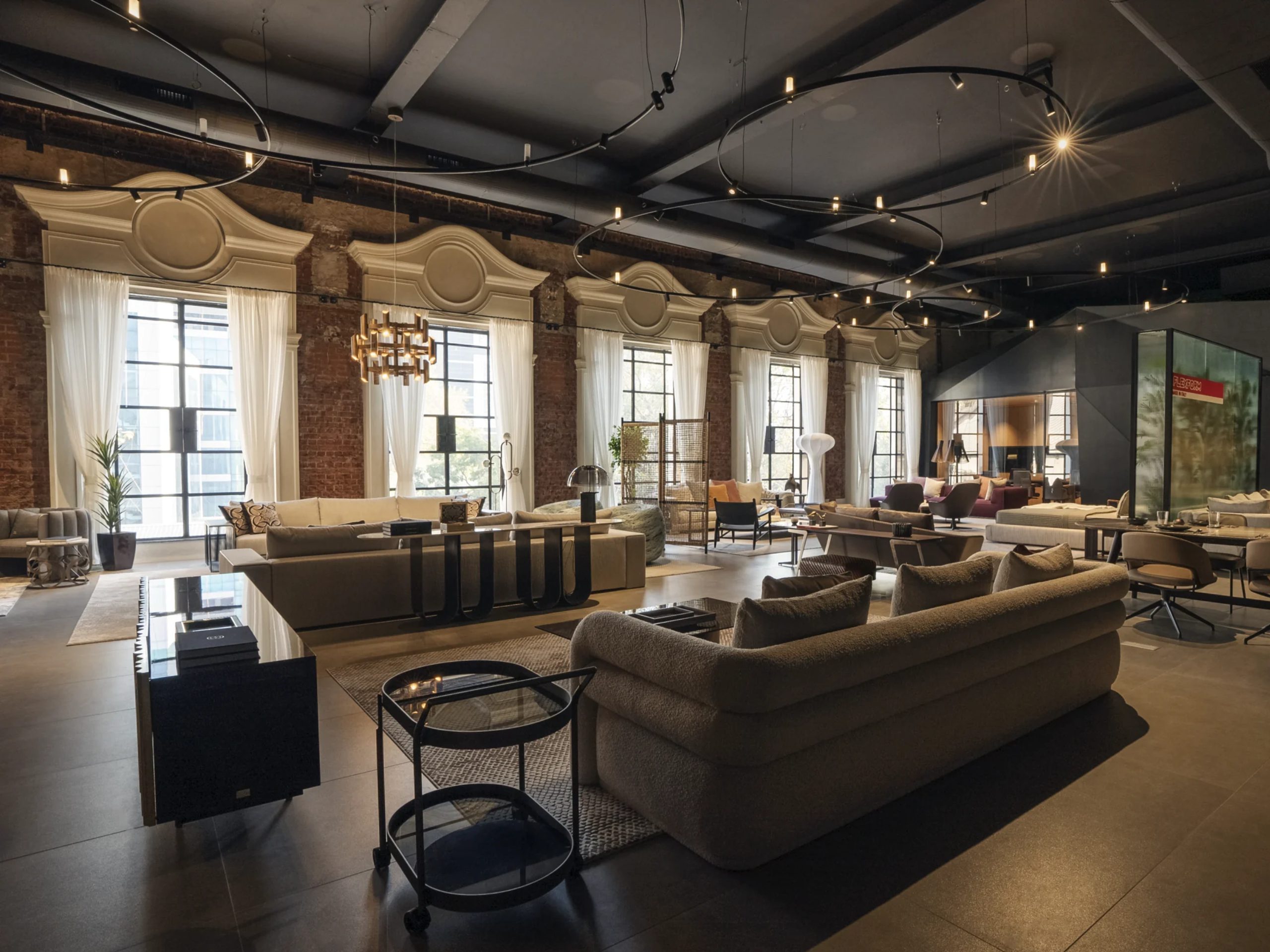
At Open Atelier Mumbai, material intelligence lies in recognising these qualities and giving each material a role within the larger spatial experience. The question is not what a material looks like but what it contributes to a space’s atmosphere and how it makes a person feel.
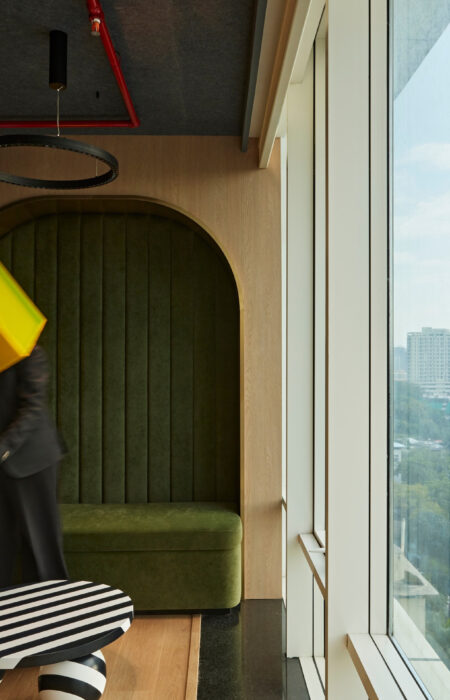
When Materials Work Together
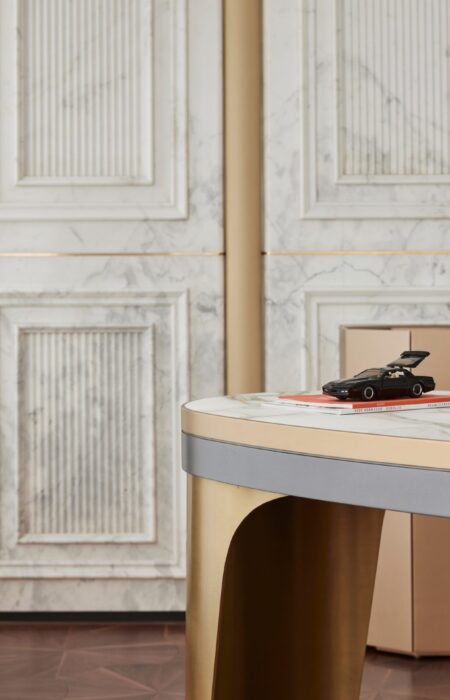
The richest multi-sensory interiors rarely rely on a single expressive surface. Instead, they emerge through relationships: smooth against textured, warm against cool, matte beside reflective, natural beside detailed.
Across our work, combinations of lime plaster, engineered wood and travertine create an atmosphere that feels warm, grounded and calm. Their differences remain present without competing for attention. The material contrast is felt rather than announced.
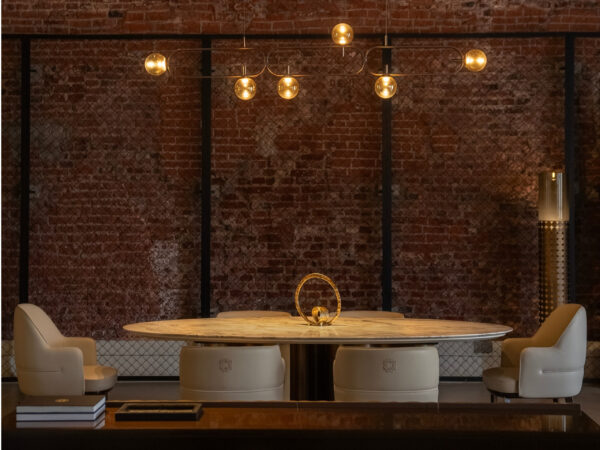
This is why restraint matters, as too many competing textures can overwhelm a space. A thoughtful approach lets one material establish the mood while others build depth, rhythm and tactile articulation around it. Material exploration comes down to knowing what a space needs, and that same instinct shapes how we think about longevity. Materials that develop patina, retain traces of use or reveal natural variation can become richer with time. A surface does not have to remain untouched to remain luxurious.
The continuing luxury of a space comes from this accumulated experience: how materials feel, age, sound and interact with everyday life. When material exploration is guided by intention rather than display, it creates something beyond visual impact, a space with sensory depth, emotional resonance and lasting value.
Sensory design gives an interior its lasting value: a space that is remembered, not just admired.