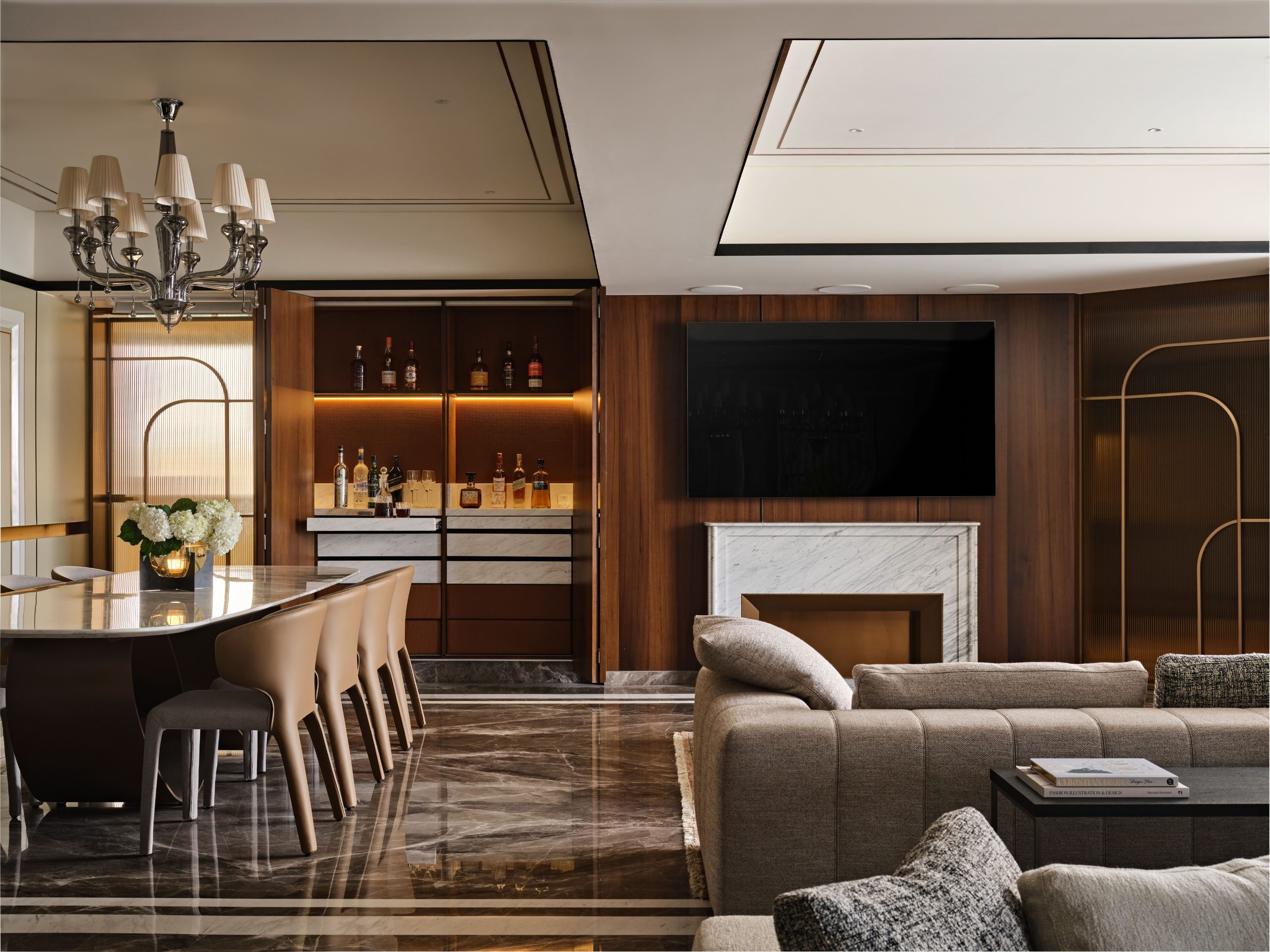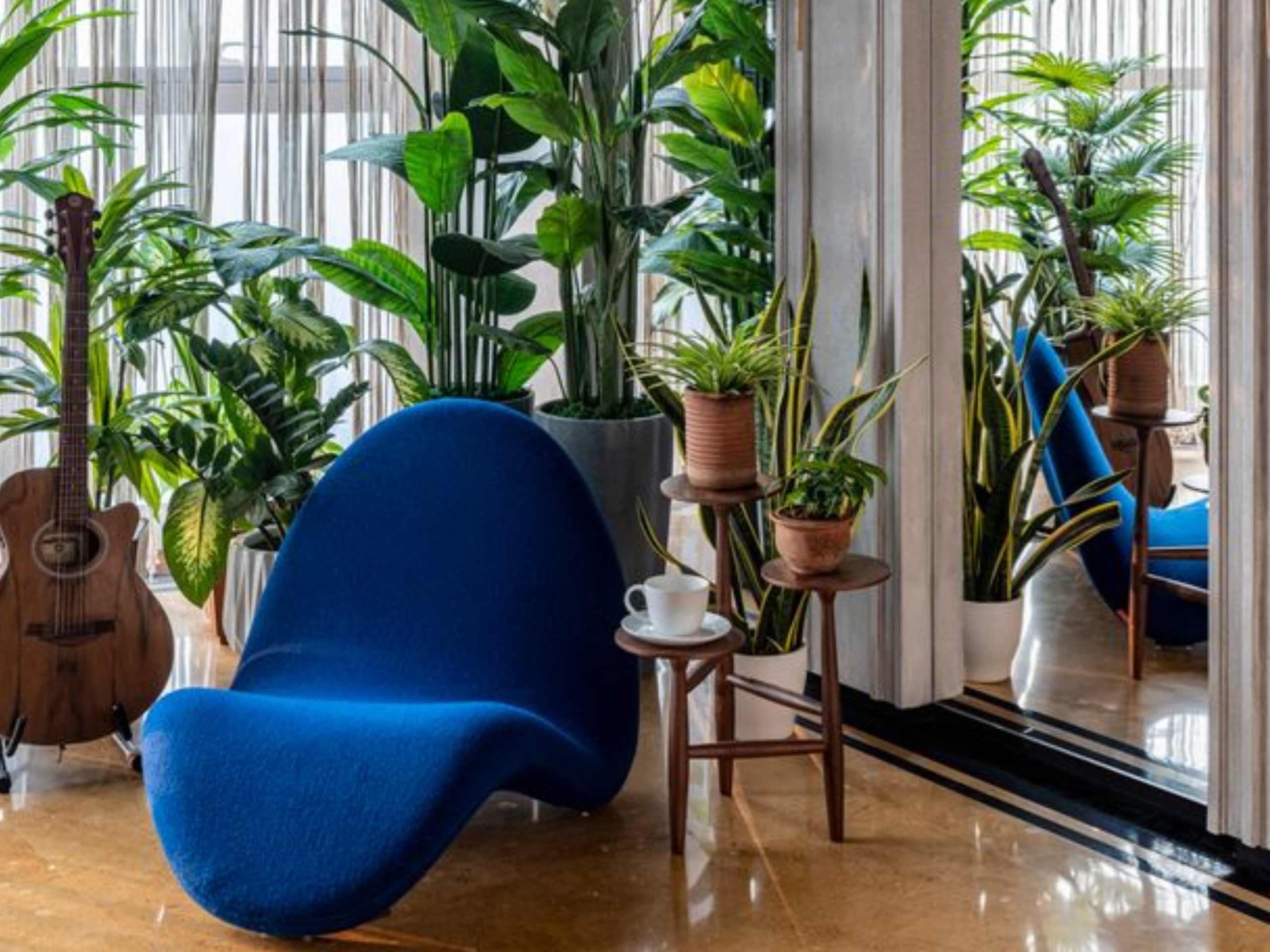
Interior Design Trends to watch in 2026
The way we experience interiors is shifting. What once relied heavily on the visual is now becoming more layered—engaging each of the senses, from touch to light to sound, and even scent, in more deliberate ways.
Rather than following distinct styles or seasonal directions, interior design is being shaped by how they are experienced every day. There is a growing emphasis on spaces that feel considered over time—where materials age well, and the atmosphere fosters genuine connection, enduring beyond functionality.
A Multisensory Approach
As interiors begin to engage more than just the visual, the way elements are selected and put together is being rethought at a fundamental level. Material choices are no longer driven only by how they look, but by how they are used and encountered at close range.
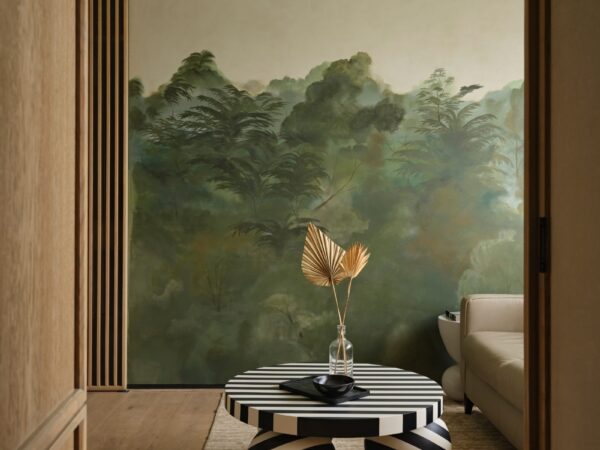
Tactile materials, from stuccoed plasters to textured timbers, lime plaster finishes, and even natural stones, bring in variation that isn’t uniform. Surfaces are left slightly irregular, and finishes are not overly refined, allowing the space to register through touch as much as through sight
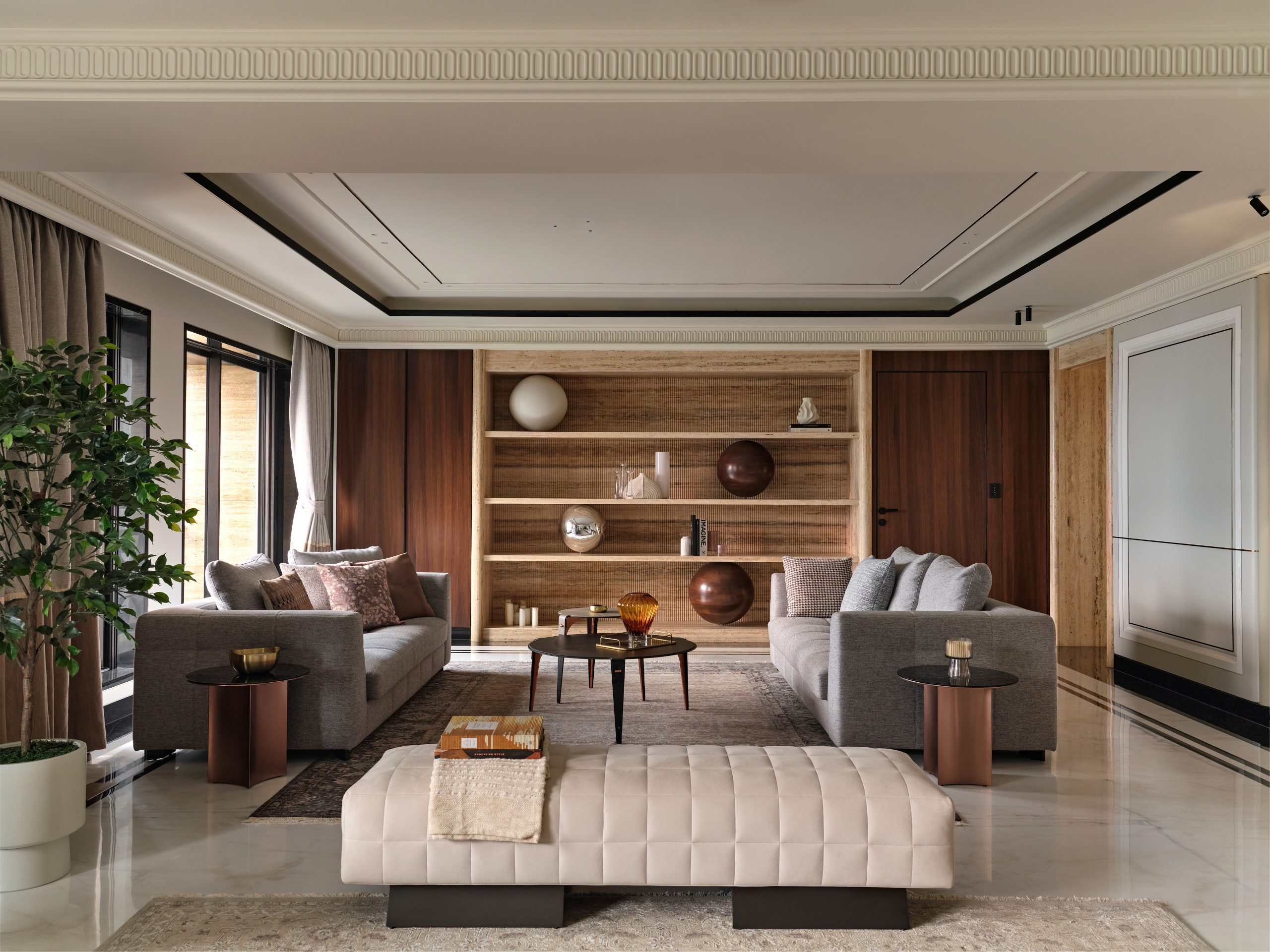
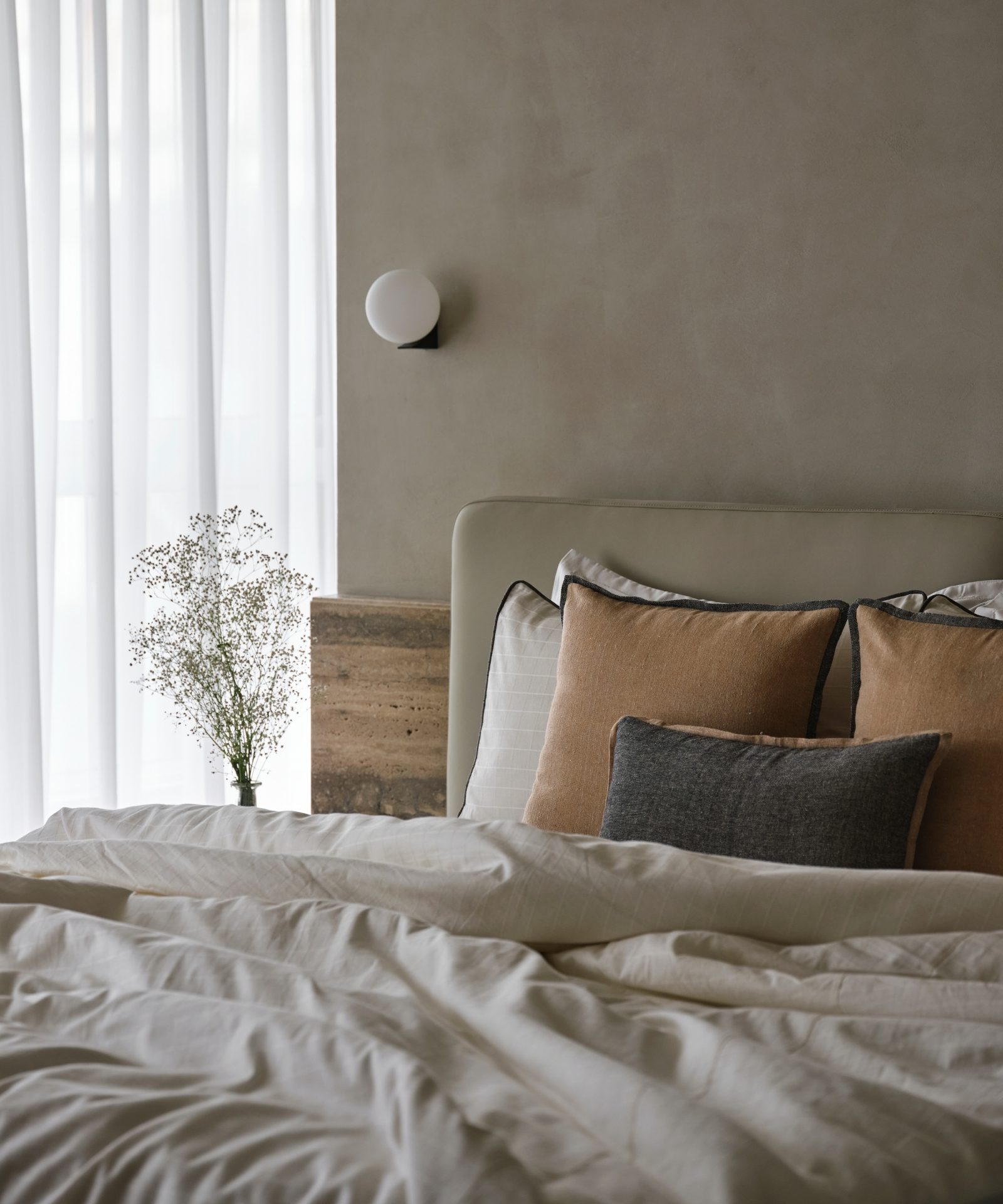
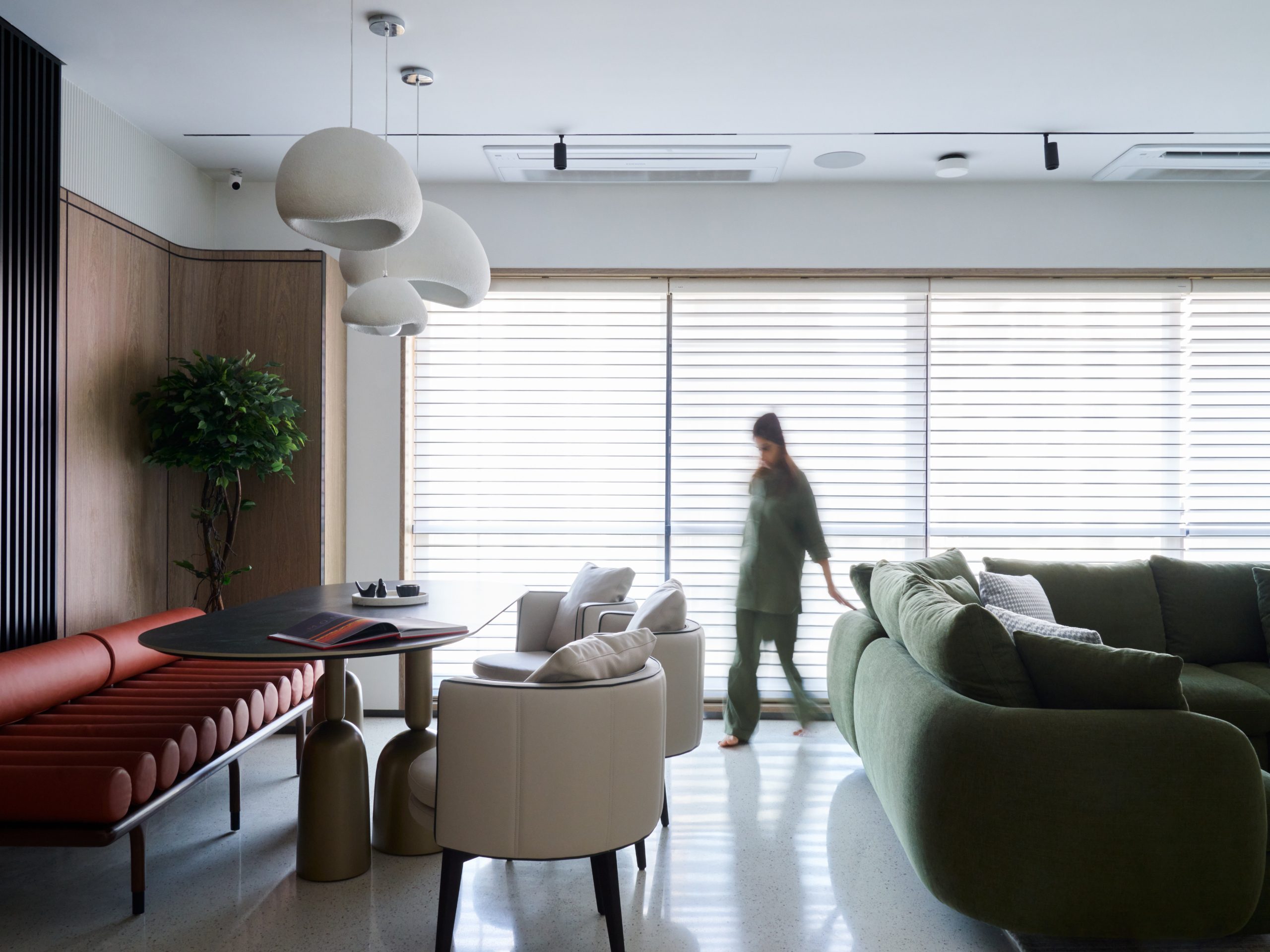
Lighting is not simply added as a uniform layer but as a series of controlled conditions. Some areas are kept softer, others more defined, depending on how they are meant to be used. The balance between daylight and artificial light is worked out early in the design, rather than added later.
Alongside this, elements like acoustics and material warmth are considered at the same level as visual decisions—so the space feels comfortable to occupy over time.
Sustainability as Sensibility
Today, sustainability is moving beyond a checkbox to become an ethic within design. Decisions, from methods of making to material selection and even sourcing, are guided by longevity, availability, and their responsiveness to changing climates.
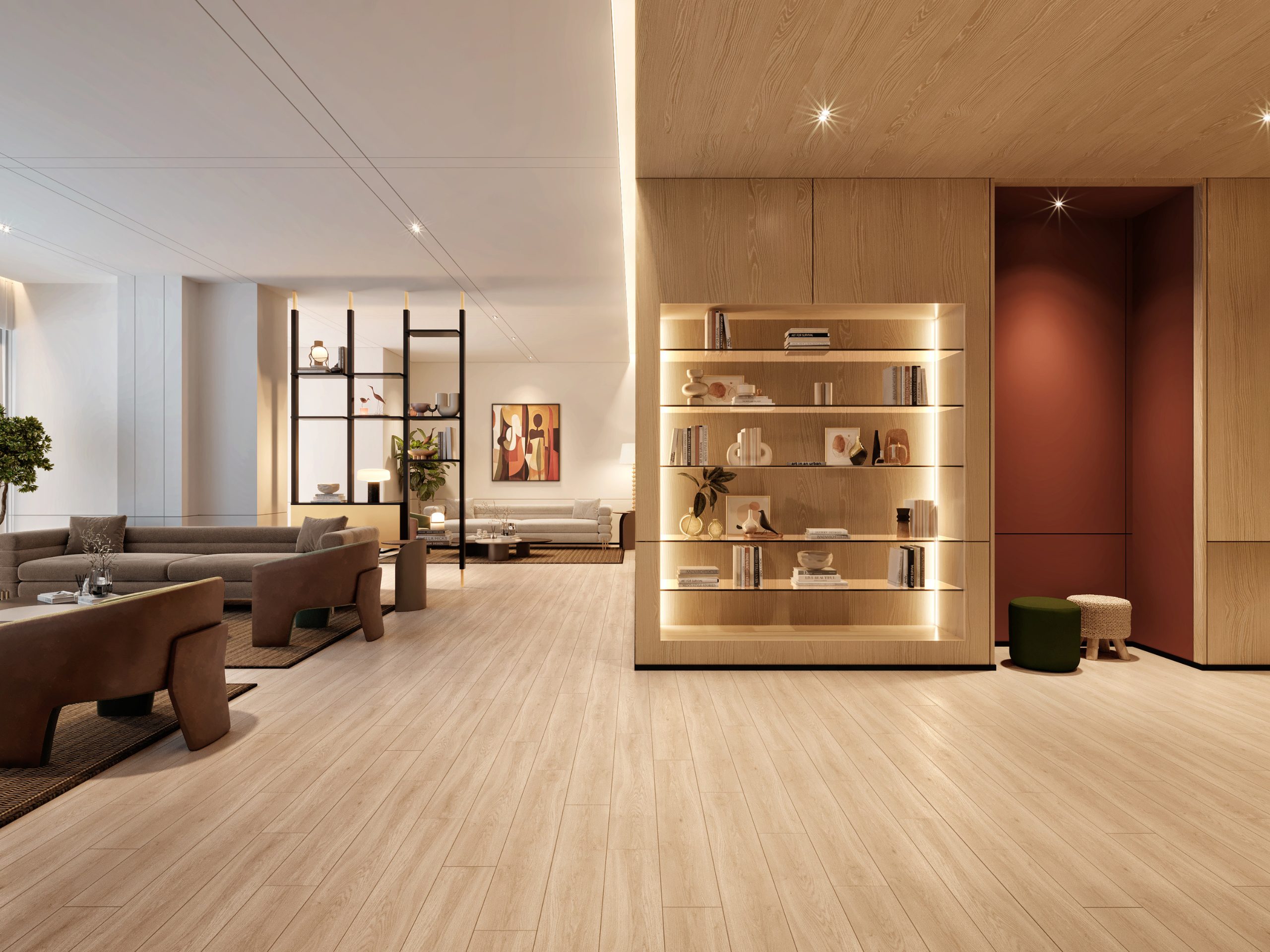
Local stones, natural finishes, and handcrafted elements are actively used not just as features, but as part of how a space is built to last while reducing overall environmental impact. This often means working with elements that show variation, age gradually, and require minimal intervention.
The focus shifts from making a statement to making choices that hold up over time, where materials, detailing, and construction are resolved with long-term use in mind.
Fusion of Art, Function, and Personal Narrative
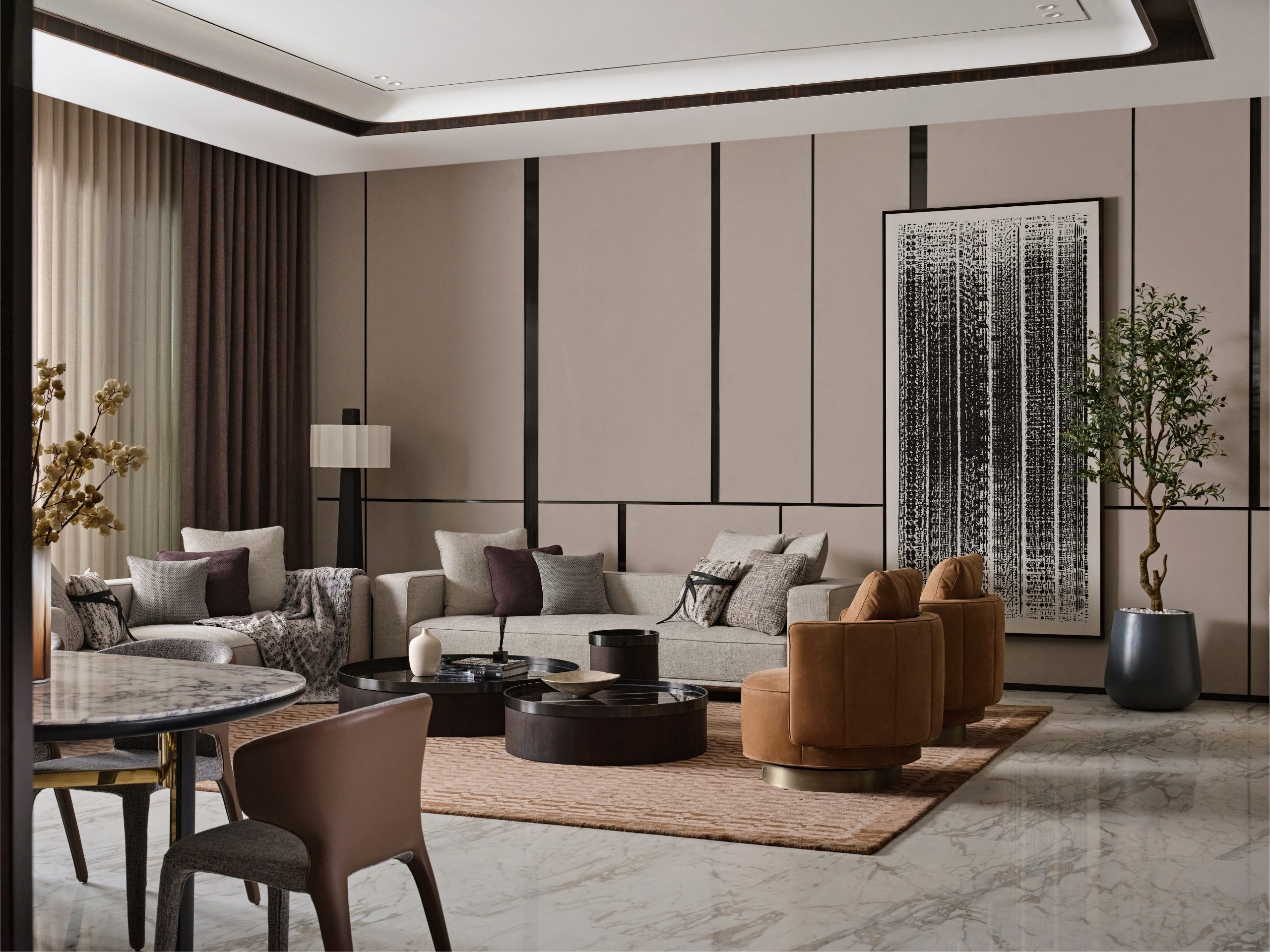
Personalised expression continues to drive interiors forward, with curated art and sculptural pieces embedded within the design language to create spaces that go beyond function. These are not treated as external additions; they are increasingly considered early in the design process to deliver an immersive experience for their users.