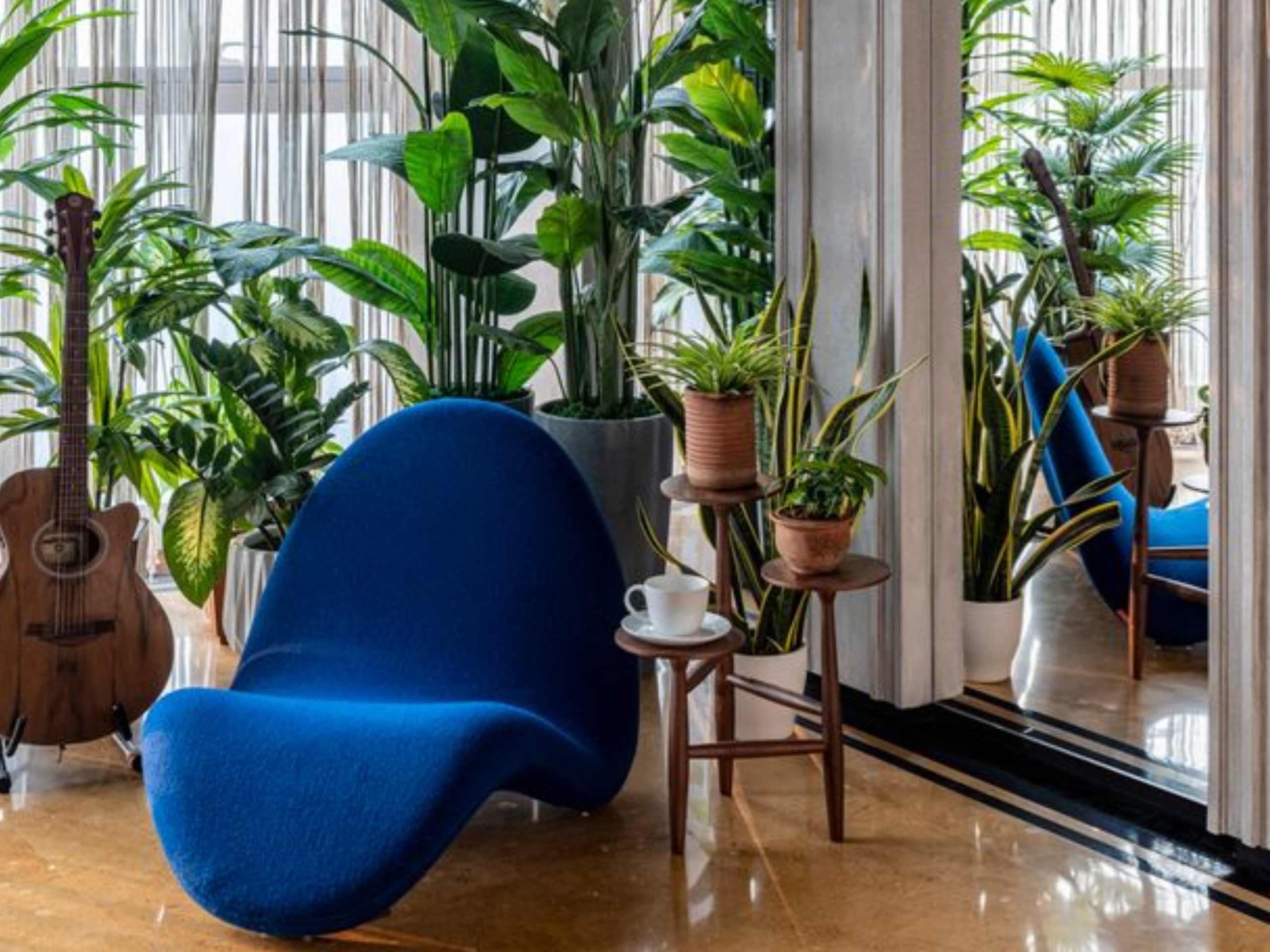
Adaptive Luxury: Designing Hospitality Interiors to Evolve with Guest Lifestyles
In today’s hospitality landscape, luxury is no longer defined only by visual ornamentation. It is shaped by how intuitively the space responds to the people who inhabit it, and how seamlessly it adapts to the shifting rhythms of contemporary travel.
As guests move fluidly between work, rest, and social engagement, hospitality interiors are expected to anticipate changing needs, support varied modes of living, and offer experiences that feel personal. This is where adaptive luxury takes form as a design approach rooted in flexibility, comfort, and emotional intelligence.
Before layouts are finalised or materials are selected, the process begins with understanding how guests are likely to use a space over time and under different circumstances. The guiding question becomes: how can a space evolve with its users while maintaining a sense of calm and coherence?
A Single Space. A Plethora of Experiences.
Designing for multiple experiences within a single space begins with understanding how guests move through their day. From moments of focus to periods of pause, hospitality interiors are increasingly required to support shifting states of use.
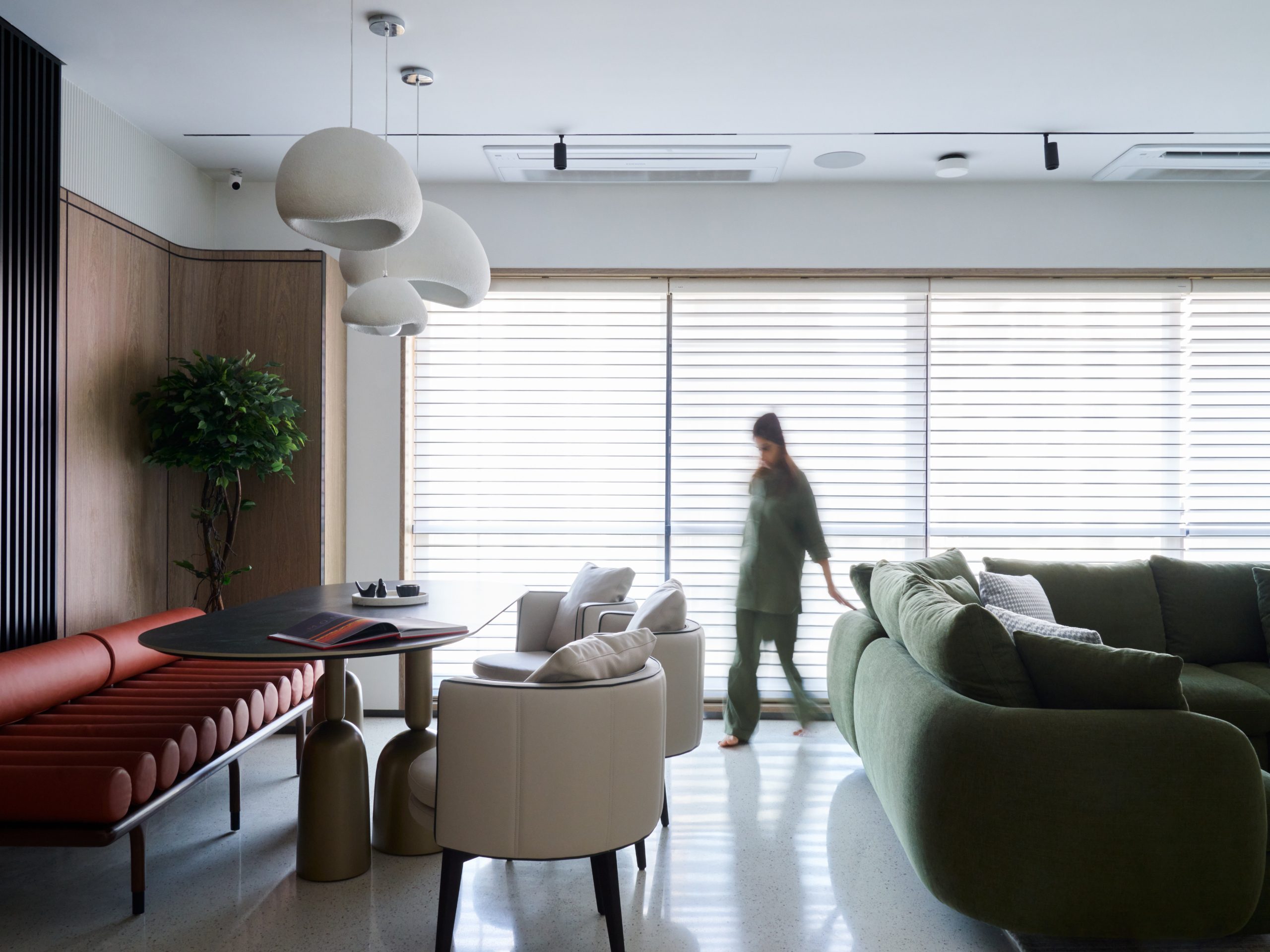
A hotel room may begin the day as a quiet workspace, shift into a social setting by afternoon, and settle into a restful retreat by evening, guided by subtle changes in lighting, furniture configuration, environmental controls, and material emphasis. Open layouts and fluid circulation allow rooms to adapt as guests’ needs evolve.
Multifunctional furniture and modular elements, such as movable seating clusters, nesting tables, folding desks, and convertible beds, allow spaces to shift effortlessly between varied activities.
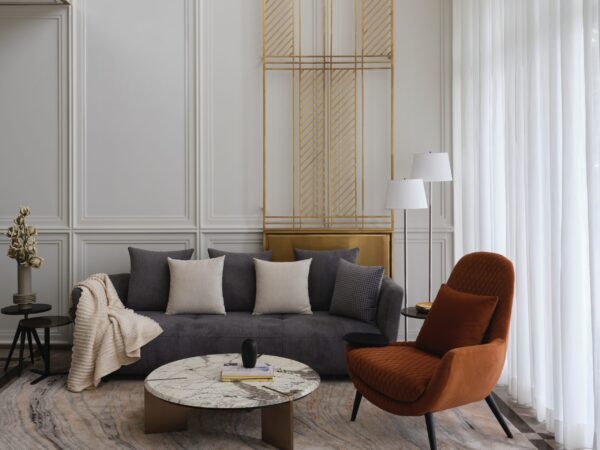
Communal spaces are evolving into fluid, social landscapes
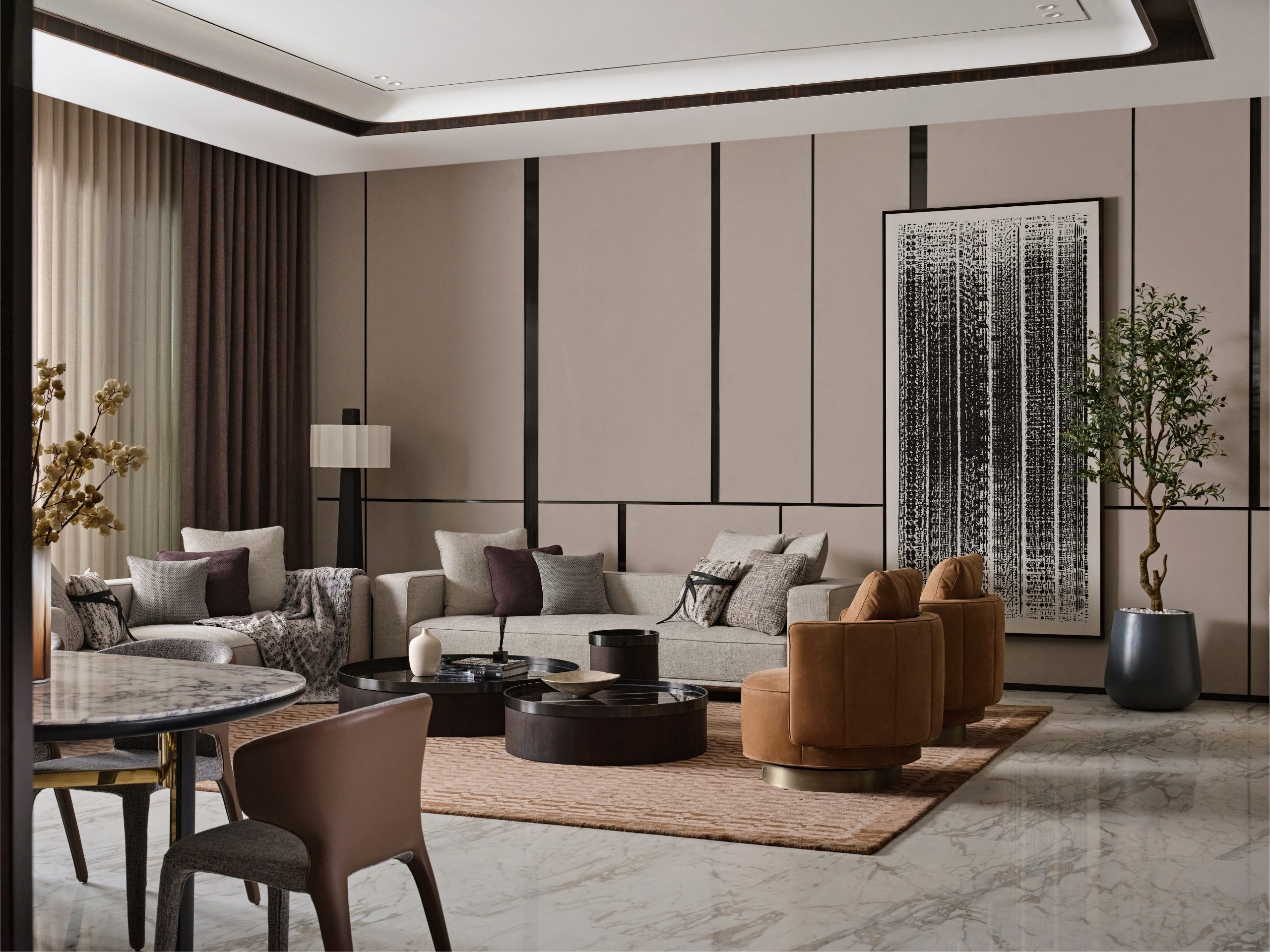
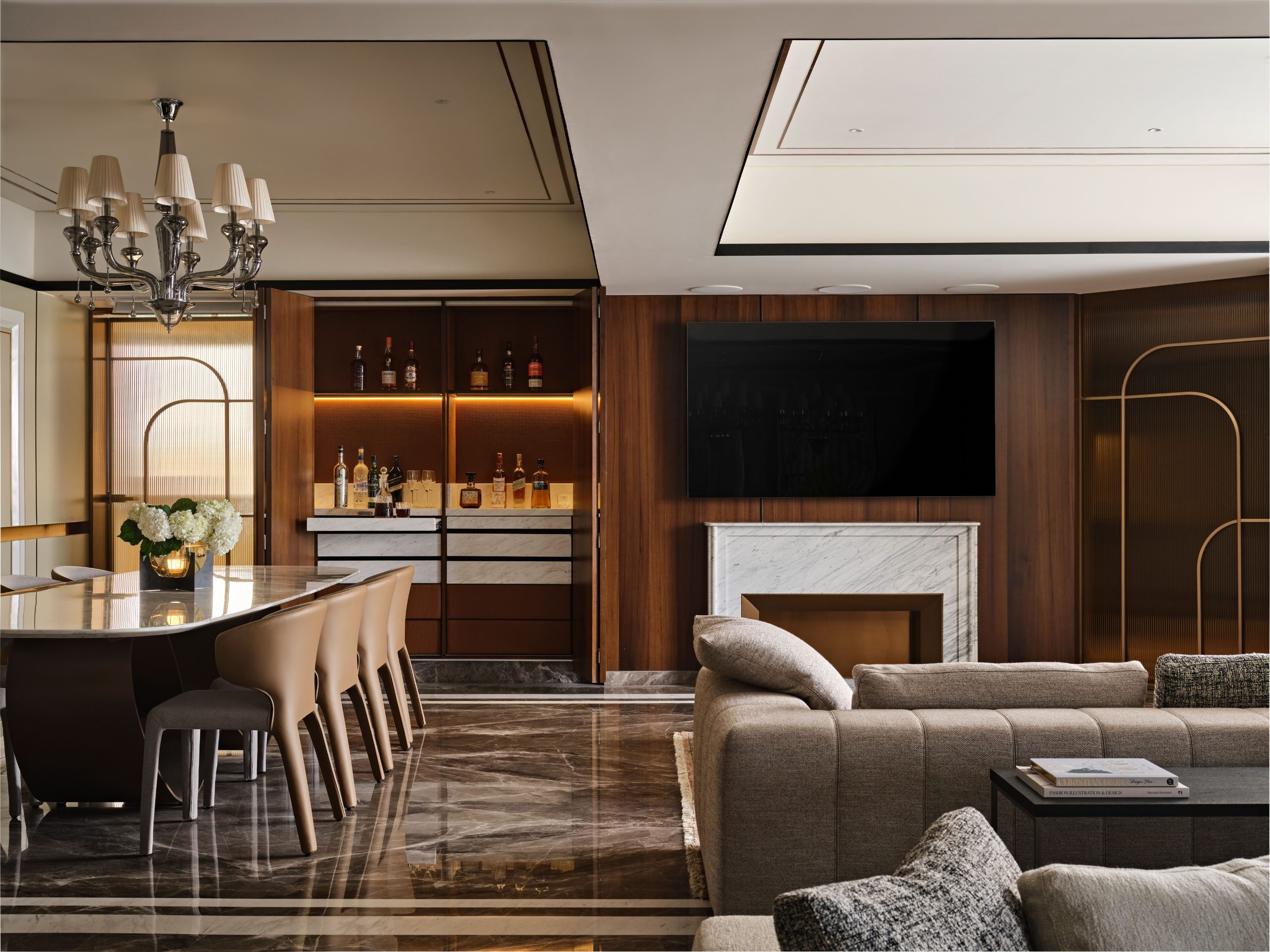
Communal zones focus on atmospheric modulation, allowing a single space to offer varied immersive experiences. Layered lighting, material transitions, alluring fragrances, and AI-powered temperature sensors create a range of sensorial environments tailored to guests’ comfort and personal preferences.
Invisible Automation adds to Personalised Comfort
A layer of intelligent technology, subtly woven into the space, helps create a comforting environment that adapts to user needs. Invisible integrated systems learn guest preferences and respond in real time, automatically adjusting lighting, temperature, and electronic devices, to support well-being without intrusion.
From intuitive controls embedded in furniture to responsive environmental systems, technology becomes a quiet companion, enhancing a calming experience where users find solace and serenity in a space that understands them.
At Open Atelier, design begins with the senses and how material warmth, light, acoustics, and tactility shape intuitive experiences. Adaptive luxury becomes a living experience – fluid, responsive, and continuously shaped by human presence and evolving desires.