How Sensory Design Influences and Enhances Interior Experiences
In interior design, sight often introduces a space, but it is rarely the element that defines how the space is experienced. The true experience emerges through a combination of textures, acoustics, lighting, temperature and scent—sensory cues that work together to shape comfort, behaviour and memory.
Whether in a home, hotel, workplace or clubhouse, people respond not just to what they see but to how naturally the environment supports their presence. A corridor that feels calm, a room with softened acoustics or a lobby that offers relief from the heat can influence ease and orientation as much as form, layout or décor. These quieter impressions form the foundation of multi-sensory design and play a key role in defining experiential interiors.
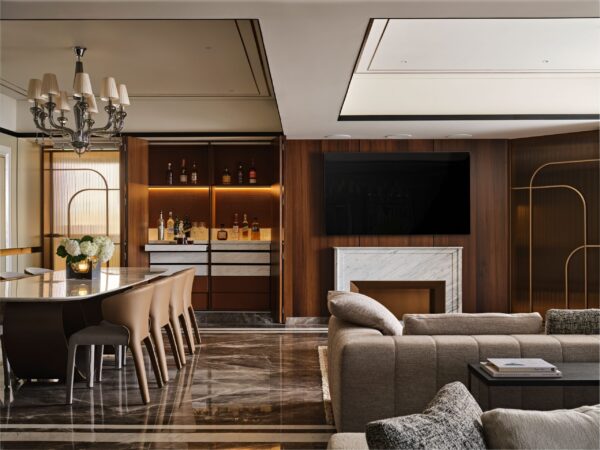
Sensory design is therefore central to creating an immersive experience. But how do interior design elements work together to shape it? Let’s take a closer look.
Material as Dialogue
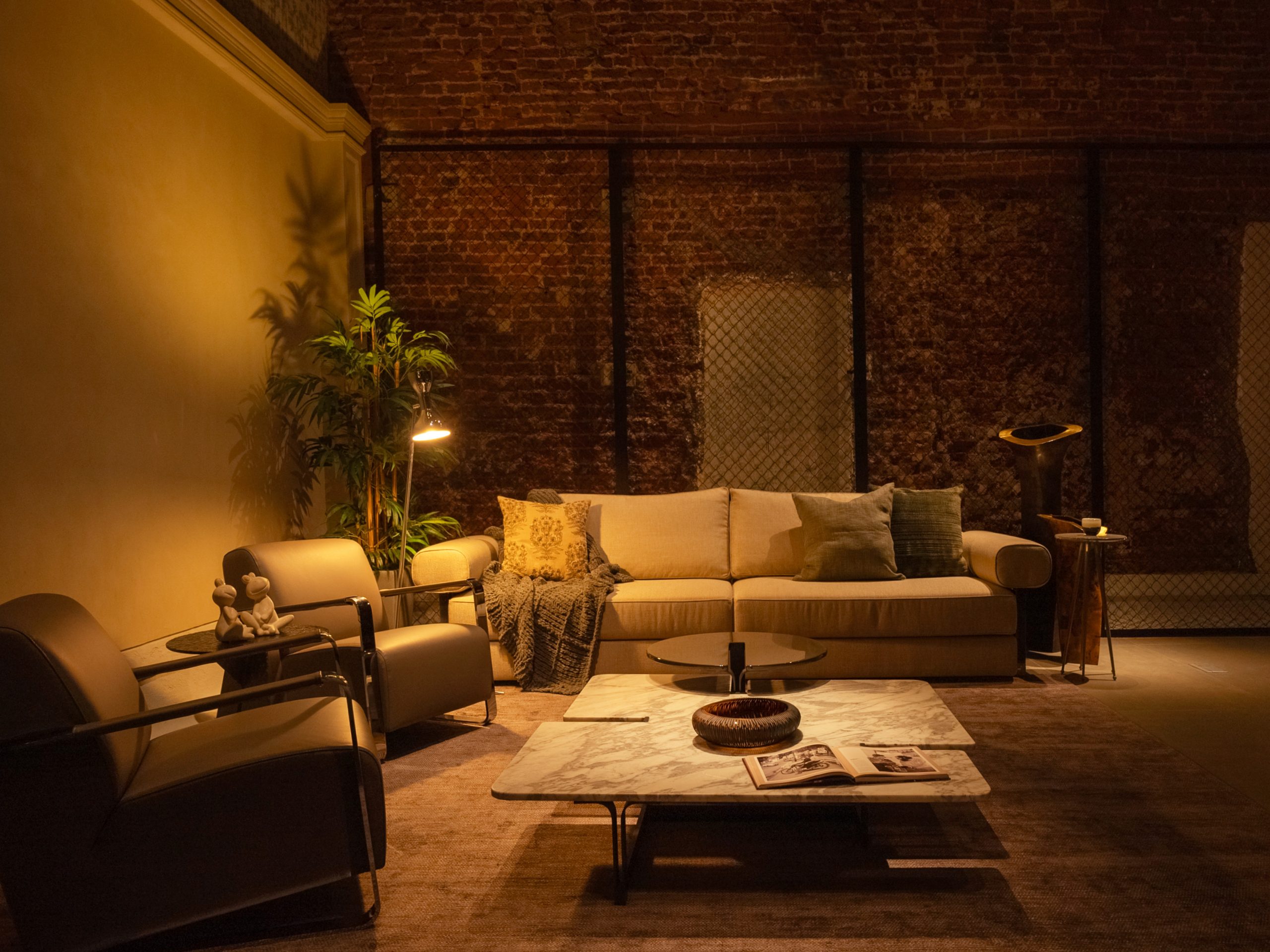
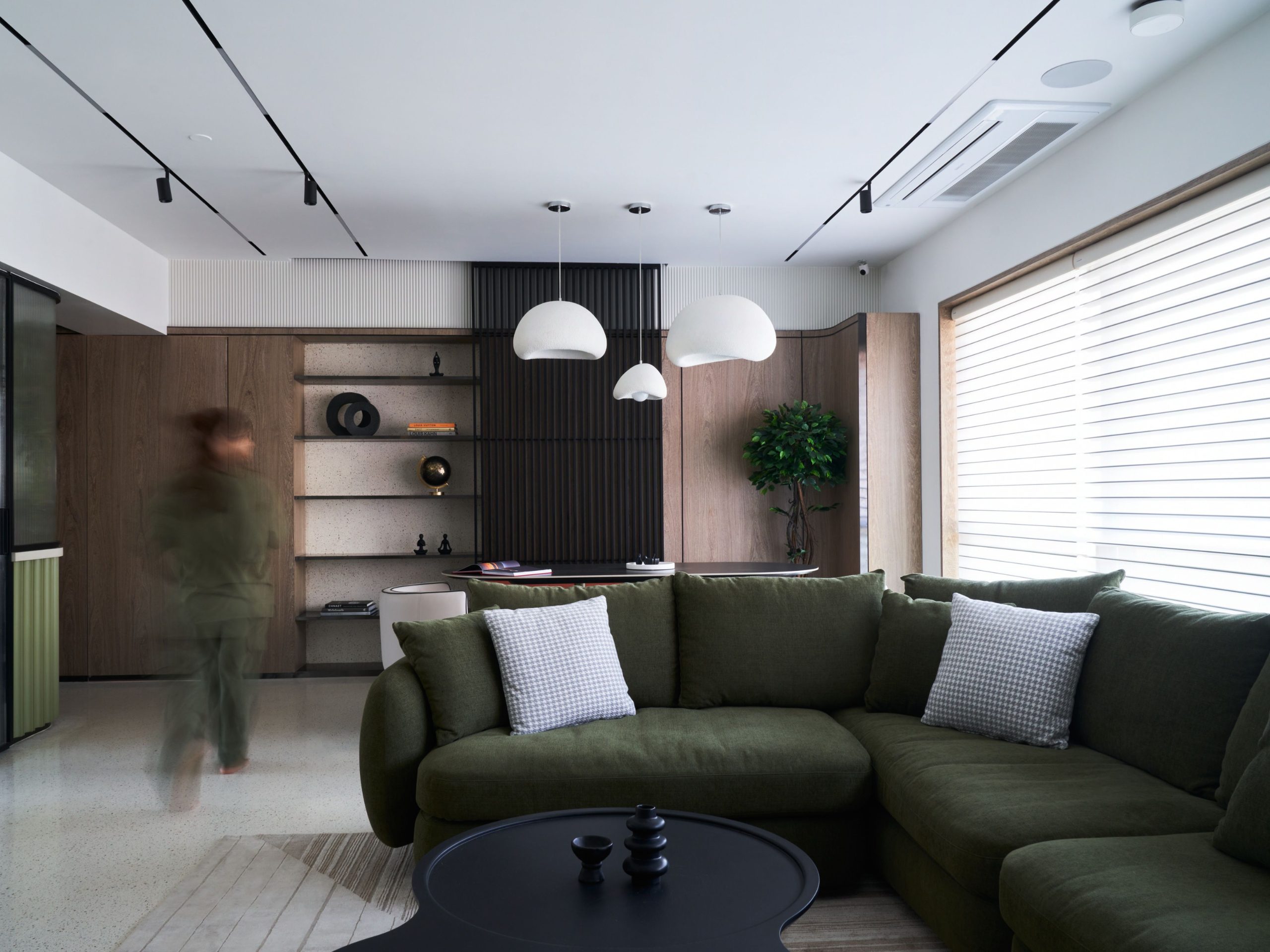
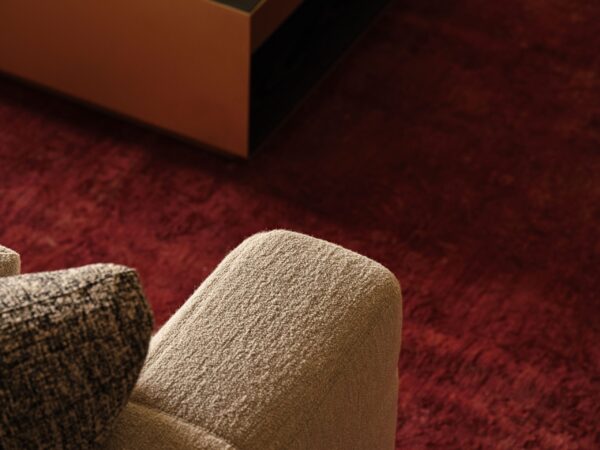
Materiality sets an immediate tone for how a space is interpreted. Beyond its visual character, the physical behaviour of a material, its tactility, softness or density, can subtly influence pace, comfort and movement. Warm finishes can make long passages feel more approachable, while cooler, denser materials such as stone or marble flooring introduce a sense of stability in transition zones. Textiles also play a quiet but impactful role; leather, velvets or linens each shape the atmosphere differently, affecting how enclosed, open or relaxed a space feels. In sensory design, materiality becomes a practical tool, one that supports the desired experience without ever needing to call attention to itself.
Technology as a Sensory Layer
Smart automation supports sensory experience by adjusting the environment in response to time, activity and use. Light levels can shift through the day to support clarity during work hours or soften transitions into the evening. Temperature zoning ensures that areas meant for collaboration feel different from corners meant for pause. Acoustic control can influence whether a space feels active or still. These systems enhance the atmosphere not as features, but as responsive design elements that maintain alignment with the user’s needs.
Scent as a Subtle Anchor
Scent operates at a subconscious level yet strongly influences perception. When used thoughtfully, it can add clarity to the intended experience. For instance, a fresher note can help keep work areas sharp; warmer, softer profiles can make lounges or waiting spaces feel more settled. Rather than acting as a signature fragrance, scent becomes a cue that reinforces the mood and purpose of a space.
When the Layers Work Together
A sensory approach shifts the focus from how each design element looks to how it behaves, both on its own and within the larger environment. When these layers align, they shape experiences that feel intuitive, allowing people to move, pause or gather with ease. Designing beyond sight becomes a way to create interiors that respond naturally to how people live, supporting comfort, orientation and memory long after the first impression has passed.